 Sinofn Health
Sinofn Health
Sinofn Health
In 2026, global buyers are examining Prebiotic Collagen with sharper questions. The category combines collagen peptides with prebiotic fibers or fermentable substrates. It is promising, but not yet perfectly standardized.
Dr. David L. Katz, a physician and preventive-medicine authority, has said, “The best diet is the one you can stick with.” That principle also matters here. A technically impressive formula must fit real consumer habits, regional diets, and responsible labeling practices. Buyers should distinguish bovine, marine, porcine, and plant-supported formulations. Collagen does not naturally function as a prebiotic fiber. The prebiotic effect usually comes from added ingredients, such as inulin, fructooligosaccharides, galactooligosaccharides, or resistant dextrin.
Details matter. A marine collagen powder may suit consumers avoiding terrestrial sources, yet it can require stricter fish-allergen controls. Bovine peptides may offer broad supply availability, but origin documentation remains essential. Buyers should request peptide molecular-weight data, amino-acid profiles, microbial testing, heavy-metal screening, allergen statements, and stability results. Certificates alone are not enough.
The market is still uneven. A neat ranking would be misleading. Some products use attractive gut-health language without strong human evidence. Others provide modest formulas with unusually transparent testing. That difference is important. Experienced procurement teams should compare supplier traceability, clinical substantiation, dosage practicality, packaging performance, and country-specific compliance before selecting a type. The best Prebiotic Collagen choice may not be the trendiest one. It may be the formula that survives transport, testing, scrutiny, and everyday use. There is room for better studies, clearer definitions, and less marketing noise.
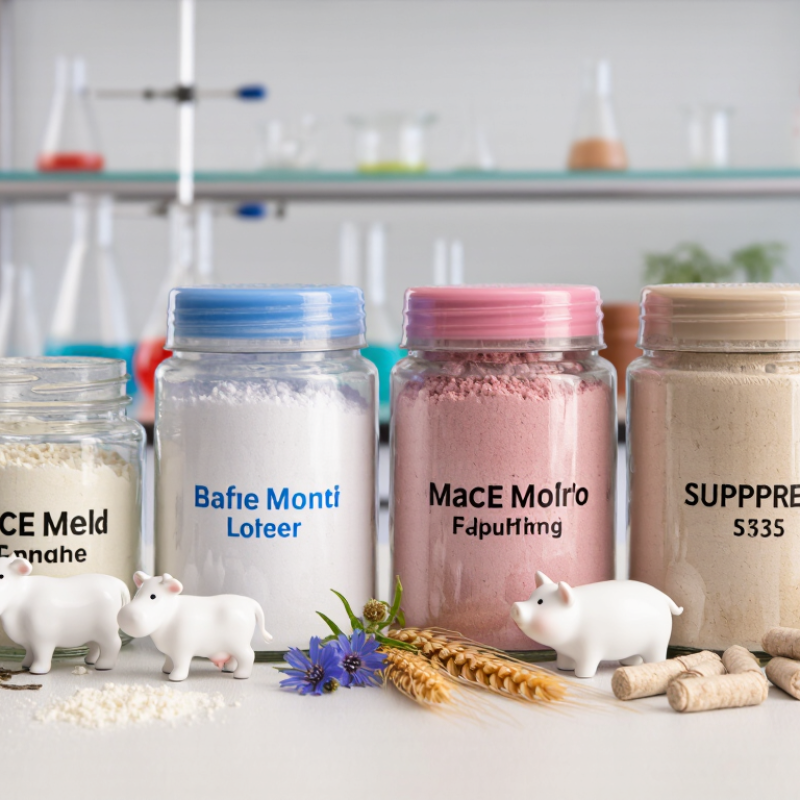
Prebiotic-collagen products are formulations that combine collagen peptides with prebiotic fibers. Collagen is a protein, not a prebiotic. Prebiotics are selectively used by beneficial gut microorganisms. This distinction matters when buyers compare product claims.
Common collagen types include hydrolyzed bovine, marine, and porcine peptides. They differ in source, amino-acid profile, processing, and allergen considerations. A product may use inulin, resistant dextrin, fructooligosaccharides, or acacia fiber as its prebiotic component. Their tolerance can vary, especially at higher serving levels. Small details matter.
Prebiotics do not contain bacterial strains. “Strains” apply to added probiotics, such as a documented species and strain combination. If a product includes both components, buyers should request strain identification, viable-count testing, stability data, and storage conditions. Otherwise, the term “synbiotic” may be used too loosely.
For the global 2026 market, procurement teams should check peptide molecular-weight ranges, source traceability, heavy-metal testing, microbiological limits, allergen declarations, and permitted claims. Requirements differ across regions. Packaging should also protect fibers from moisture and collagen from heat exposure. The category is growing, but combined-benefit evidence remains uneven. Some formulations sound more certain than the data allows. Experienced buyers should treat digestive and beauty claims as separate evaluation points, not one guaranteed outcome.
No. Collagen peptides are proteins, not fermentable fibers. A formula needs a separate prebiotic ingredient, such as GOS, FOS, inulin, or resistant dextrin. The front label can confuse buyers.
GOS shows the most consistent support for beneficial bifidobacteria in human trials. FOS follows, with evidence for microbiota changes and improved stool regularity. Evidence varies.
GOS and FOS often provide stronger fermentation effects. Inulin has useful clinical evidence but may cause gas at higher doses. Resistant dextrin usually dissolves easily and may feel gentler. Its direct prebiotic evidence remains less established.
Type I commonly appears in skin, bone, and tendon formulas. Type III often appears with Type I in connective-tissue products. Marine collagen commonly supplies Type I peptides. Bovine sources may provide Type I and Type III.
No. Source alone does not guarantee better results. Marine ingredients require fish-allergen controls and traceability. Bovine ingredients need species verification and contaminant testing. Hydrolysis can improve mixing, but it does not prove superior outcomes.
Many studies examine about 2.5 to 10 grams daily. Some protocols use more. There is no universal dose for every goal or population. Prebiotic fiber requires separate dosage review.
Request batch-specific identity testing, amino acid profiles, hydroxyproline results, and microbiology data. Also request heavy-metal testing, allergen statements, peptide analysis, and stability records. Certificates help, but they do not prove every shipment.
Calculate the cost per gram of verified collagen, not only powder cost. Include testing, freight, tariffs, storage, and possible rejection losses. Low prices may hide weak documentation. I might overvalue price without noticing failed-batch history.
Start with a modest fiber serving and monitor abdominal comfort for one week. Increase slowly if tolerated. Gas or bloating may indicate a dose problem, not product failure. Personal tolerance still decides practical success.
This guide provides a practical 2026 framework for global buyers evaluating Prebiotic Collagen products. It explains how these formulas combine collagen peptides with prebiotic fibers such as inulin, FOS, GOS, and resistant dextrin, while distinguishing their intended functions, formulation considerations, and available clinical support. It also compares collagen sources and peptide profiles, including Type I, Type III, marine, and bovine options, with attention to dosage, purity, digestibility, and evidence quality.
For international purchasing, the guide emphasizes responsible product assessment rather than unsupported marketing claims. Buyers should review FDA, EFSA, Codex, and destination-market requirements for labeling, health statements, allergens, and product safety. Supplier selection should be based on transparent testing, traceable raw materials, reliable quality systems, documented market performance, stable capacity, and total cost—not price alone. This approach helps buyers identify compliant, evidence-informed, and commercially suitable Prebiotic Collagen solutions for diverse global markets in 2026.
