
Sinofn Health Sinofn Health

Best Herbal Vitamins for Optimal Health Benefits?

Time:2026-07-20 Author:Sophia
0%

In today's health-conscious world, people are exploring alternatives to traditional vitamins. Herbal vitamins have gained popularity for their potential benefits. They are derived from plant sources and often trusted for supporting overall well-being. Many individuals seek these natural options for their perceived safety and effectiveness.

Research shows that herbal vitamins can complement a balanced diet. They may provide essential nutrients and promote a healthy lifestyle. Ingredients like ashwagandha, turmeric, and echinacea have attracted attention. Each offers unique benefits that can support physical and mental health. However, it's important to use them wisely.

Not every herbal vitamin is suitable for everyone. Individual responses can vary greatly. Some may experience side effects or interactions with medications. Consultation with a healthcare professional is essential before adding these supplements. Finding the right herbal vitamins can be a journey filled with trial and reflection.
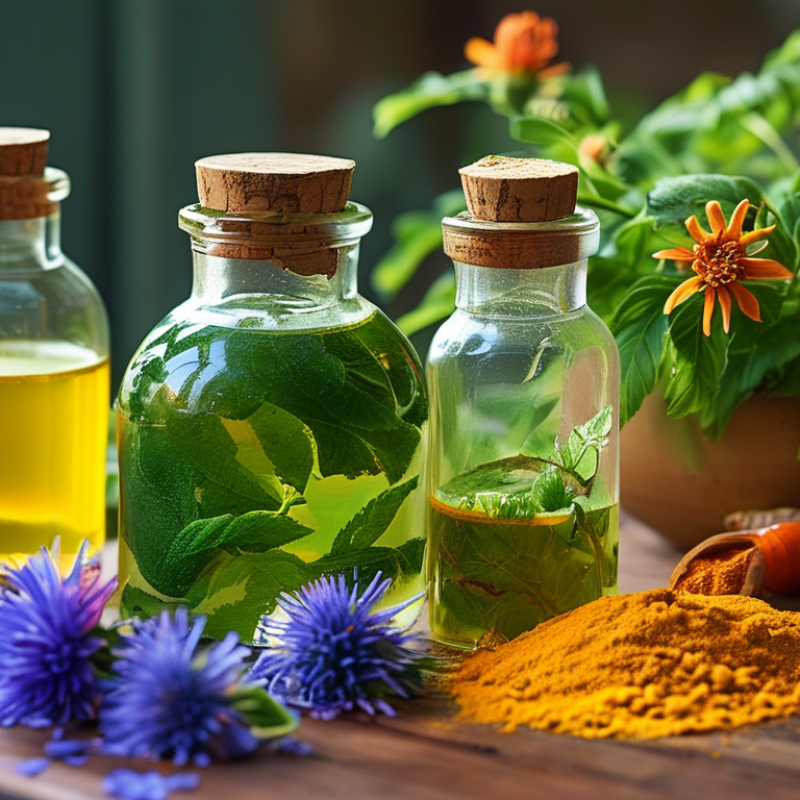
Best Herbal Vitamins for Optimal Health Benefits?

Types of Herbal Vitamins and Their Nutritional Benefits

Herbal vitamins offer a natural approach to improving health. Various types can support overall well-being. For example, Ashwagandha is known for reducing stress. This adaptogen helps balance cortisol levels and enhances mood.

Echinacea is another popular herbal vitamin. It is often used to boost the immune system. Regular intake may help ward off colds and infections. Adding Echinacea to your routine during flu season is a wise choice.

**Tips:** Always consult a healthcare professional before starting any new supplement. Consider your individual health needs and dosage. Not all herbal vitamins are suitable for everyone. Be mindful of potential interactions with medications you may take.

Best Herbal Vitamins for Optimal Health Benefits

Herbal Vitamin Nutritional Benefits Common Uses Recommended Dosage
Ashwagandha Reduces stress, improves energy levels Stress relief, anxiety reduction 500 mg - 600 mg daily
Ginseng Enhances cognitive function, boosts immunity Energy booster, cognitive support 200 mg - 400 mg daily
Echinacea Supports immune function, reduces cold symptoms Cold prevention, immune support 300 mg - 500 mg 3 times daily
Turmeric Anti-inflammatory, antioxidant properties Joint pain relief, skin health 400 mg - 600 mg daily
Milk Thistle Liver support, detoxification Liver health, detox support 140 mg - 600 mg daily

Popular Herbal Ingredients for Health Optimization

Herbal ingredients have gained popularity for their potential health benefits. One widely recognized herbal compound is turmeric. Research shows that curcumin, the active component of turmeric, has strong anti-inflammatory properties. A study published in the Journal of Clinical Immunology found that curcumin can suppress the activation of nuclear factor kappa B (NF-kB), a protein that plays a key role in inflammation.


Another notable ingredient is ashwagandha, an adaptogen used in traditional Indian medicine. A systematic review in the Journal of Alternative and Complementary Medicine highlighted that ashwagandha can reduce stress and anxiety. Participants in the studies reported significant improvements in stress levels after taking ashwagandha supplements for several weeks.


These herbal ingredients may offer health optimization. However, it’s vital to approach them with caution. Individual responses to herbal supplements can vary significantly. Factors such as dosage, purity, and personal health conditions play crucial roles. More research is necessary to fully understand their long-term effects. Always consult a healthcare professional before adding any herbal vitamins to your routine.

How to Choose the Right Herbal Vitamins for Your Needs

Choosing the right herbal vitamins requires careful consideration of your specific health needs. Start by assessing your lifestyle and dietary habits. For instance, if you're often fatigued, you might consider herbal supplements that support energy. Ginseng or ashwagandha can be beneficial in this regard. However, individual responses vary. Always monitor how your body reacts.

Research different herbal vitamins thoroughly. Look for credible studies that support their efficacy. Not all supplements have the same quality. Some products may contain fillers or additives that don't provide any health benefits. Investigating the sourcing of the herbs is also essential. Organic options often have higher potency due to better growing conditions.

Consulting with a healthcare professional is highly recommended before starting any supplements. They can help identify potential interactions with medications you might be taking. It's vital to engage in self-reflection about your health goals. What are you hoping to achieve with herbal vitamins? This clarity can guide your choices effectively. Ultimately, the key lies in understanding that supplements are just one part of a broader health journey.

Best Herbal Vitamins for Optimal Health Benefits

This chart displays the most popular herbal vitamins and their perceived health benefits based on user reviews and surveys. The popularity is measured on a scale of 1 to 10, indicating how often individuals report using these herbal vitamins for various health purposes.

Potential Risks and Side Effects of Herbal Vitamins

Herbal vitamins can offer numerous health benefits. However, they also come with potential risks and side effects. Many people overlook these aspects while seeking natural alternatives. Understanding these risks is crucial for anyone considering herbal supplementation.

Some herbs can interact negatively with medications. For instance, St. John's Wort may reduce the effectiveness of certain antidepressants. This can lead to unwanted consequences for individuals trying to manage their mental health. In addition, excessive intake of certain herbs can cause digestive issues. Common complaints include bloating, nausea, or diarrhea. Awareness of dosage and duration is essential.

Allergies are another concern with herbal products. Reactions can range from mild skin rashes to severe anaphylaxis. Always consider personal health history before starting herbal vitamins. Consultation with a healthcare provider is recommended. They can provide tailored advice based on individual needs and potential interactions. Reflecting on personal experiences and seeking guidance can lead to safer choices.

Integrating Herbal Vitamins into a Balanced Diet

Integrating herbal vitamins into a balanced diet can have significant health benefits. These vitamins, derived from natural sources, offer essential nutrients. They are rich in antioxidants, which help combat oxidative stress. For example, incorporating herbs like ashwagandha can boost your immune system. Similarly, turmeric is known for its anti-inflammatory properties. These herbs can enhance your overall well-being.

A balanced diet is vital. It's essential to mix herbal vitamins with various food groups. Leafy greens, fruits, and whole grains provide additional nutrients. When combined, they form a powerful synergy that promotes health. However, one should be cautious. Not all herbs work for everyone. Individual reactions may vary. It's important to consult a healthcare professional before making significant changes.

Finding the right balance can be challenging. Experimenting with different herbs and observing their effects is key. You might find certain combinations work better than others. Maintaining a food journal can help track your experiences. Remember, the goal is to foster a diet that supports your health journey while being aware of what works for your body.

FAQS

: What are some popular herbal ingredients for health optimization?

: Turmeric and ashwagandha are popular choices. They have potential health benefits like reducing inflammation and stress.

How does curcumin in turmeric benefit health?

Curcumin has strong anti-inflammatory properties. It can suppress the activation of a protein linked to inflammation.

What is ashwagandha known for?

Ashwagandha is noted for reducing stress and anxiety. Studies show participants report improvements after using it.

Can herbal vitamins improve overall well-being?

Yes, they can enhance health by providing essential nutrients and antioxidants. They support various body functions.

Should I consult a professional before using herbal supplements?

Absolutely. Individual responses vary. A healthcare professional can provide personalized advice based on your health.

How can I integrate herbal vitamins into my diet?

Mix them with a variety of foods. Leafy greens and fruits can complement the nutrients from herbs.

Is it difficult to find the right herbal combinations?

Yes, it can be challenging. Experimentation is key. Some combinations may work better for you than others.

What should I track when experimenting with herbs?

Consider keeping a food journal. Note how different herbs affect your health and well-being over time.

Are there risks associated with taking herbal supplements?

Yes, not all herbs work for everyone. Some may cause unexpected reactions. Caution is advised in their use.

Conclusion

Herbal vitamins are natural supplements derived from plants that offer a range of nutritional benefits for enhancing overall health. This article explores various types of herbal vitamins, detailing their specific health advantages and popular ingredients known for their efficacy in optimizing wellness. Additionally, it provides guidance on selecting the right herbal vitamins tailored to individual health needs, emphasizing the importance of understanding potential risks and side effects associated with their use.

To fully benefit from herbal vitamins, it is crucial to integrate them into a balanced diet that complements other nutritional sources. By doing so, individuals can achieve optimal health benefits while minimizing the risk of adverse effects. This holistic approach encourages a mindful consideration of herbal vitamins as part of a comprehensive health strategy.

Sophia

Sophia

Sophia is a dedicated marketing professional with an exceptional depth of knowledge about her company's products and services. With a keen understanding of market trends and customer needs, she crafts insightful blog posts that not only inform but also engage readers, enriching the company’s online......