
Sinofn Health Sinofn Health

China Top 10 Choc Protein Powder Types for Global Buyers

Time:2026-09-18 Author:Ethan
0%

China’s protein powder industry offers global buyers a wide range of chocolate-focused formulations. This guide explores the China Top 10 Choc Protein Powder Types for Global Buyers, covering whey, plant-based, casein, collagen, and blended options. Each type serves a different purpose, from quick post-workout nutrition to meal replacement and everyday fitness support.

The evaluation considers protein source, chocolate flavor quality, texture, solubility, sweetener selection, packaging, and minimum order quantities. Practical sourcing also requires attention to certificates, ingredient traceability, allergen statements, microbiological testing, and batch-specific Certificates of Analysis. A smooth shake should not hide weak documentation. Buyers should request samples before approving large orders. Small details matter, such as cocoa sediment at the bottom of a shaker or a pouch seal that fails during shipping.

No shortlist is perfect. Product performance can change between batches, and “chocolate flavor” may mean very different things across markets. Some powders taste rich in China but seem overly sweet elsewhere. Regional labeling rules, permitted claims, and import requirements must be checked independently before purchase. Reliable suppliers should explain their formulation, testing process, production capacity, and quality controls without avoiding difficult questions.

This overview aims to support informed comparison, not replace technical due diligence. It combines market-facing observations with practical purchasing criteria for distributors, sports nutrition brands, retailers, and contract manufacturers. By examining these ten Choc Protein Powder types, global buyers can identify suitable products, compare supplier capabilities, and reduce avoidable sourcing risks. Some conclusions may need revision after laboratory testing. That is part of responsible buying.
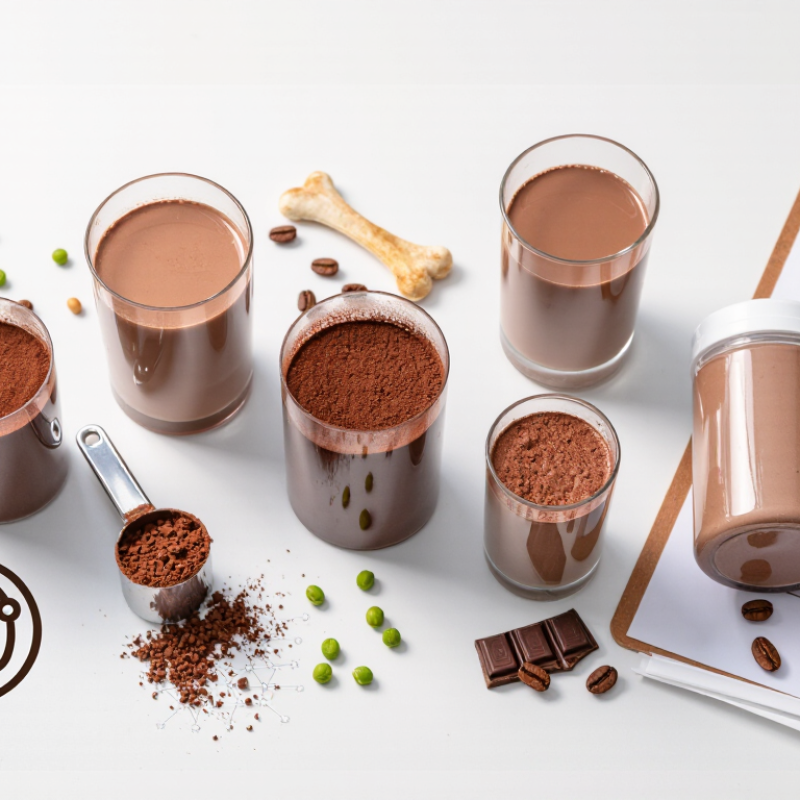
China Top 10 Choc Protein Powder Types for Global Buyers

What Defines Chocolate Protein Powder Types in China

Chocolate protein powder types in China are defined by more than cocoa flavor. Protein source remains the clearest dividing line: whey concentrate, whey isolate, soy, pea, rice, and blended formulas serve different buyers. A 2024 Grand View Research report valued the global sports nutrition market at about USD 45 billion in 2023. This growth increases demand for transparent product classification.

Procurement teams usually check protein percentage, amino-acid profile, cocoa content, sweetness, solubility, and allergen statements. Whey isolate suits buyers seeking higher protein and lower lactose. Plant blends can improve amino-acid balance, but their earthy taste needs careful flavor control. Collagen-based powders are another category, although they should not be treated as complete muscle-protein replacements. That distinction is often missed.

Texture matters in real use. A fine powder should disperse in cold water without leaving a sandy layer. Low-sugar formulas are increasingly relevant, while sugar alcohols may create digestive complaints for some consumers. Innova Market Insights has repeatedly identified protein enrichment and reduced-sugar positioning as major global food trends. However, trend data does not prove local acceptance. Chinese buyers still compare ingredient lists, testing records, and compliance with food-labeling requirements under GB standards. Classification is not perfect. Cocoa intensity, protein purity, and intended use can overlap, so suppliers should provide laboratory results, batch traceability, and clear serving instructions.

How China’s Top 10 Chocolate Protein Types Are Classified

China Top 10 Choc Protein Powder Types for Global Buyers

How China’s Top 10 Chocolate Protein Types Are Classified

China’s chocolate protein powders are classified by protein source, processing method, and formula purpose. The ten common types include whey concentrate, whey isolate, hydrolyzed whey, casein, milk protein, egg protein, soy protein, pea protein, rice protein, and multi-source blends. Chocolate describes the flavor system, not the protein category. Each type behaves differently in a shaker. Whey usually mixes quickly. Casein becomes thicker. Rice protein may feel slightly grainy.

Manufacturers also classify products by protein concentration, sweetener choice, cocoa level, and added ingredients. Some formulas target sports recovery, while others suit meal replacement applications. Buyers should review the specification sheet, amino acid profile, solubility data, moisture level, and microbiological results. Allergen declarations matter, especially for milk, egg, and soy formulas. Documentation should match the destination market’s requirements. Labels need careful review.

Tips: Request a small sample before placing a large order. Test it in cold water and milk. Check flavor after ten minutes. Ask whether cocoa is natural or alkalized. Confirm batch traceability and packaging performance. A low price may hide weaker dispersibility or excessive sweetness. The classification line is not always clean. A blend can improve texture, but it may complicate nutrition claims. I have seen promising samples perform poorly after shipping, so stability testing deserves more attention.

Key Ingredients and Nutrition Profiles Across the Top 10 Types

Chocolate protein powders differ more than their cocoa color suggests. The top ten types usually include whey concentrate, whey isolate, casein, milk protein, egg white, soy, pea, rice, hemp, and blended plant formulas. Their protein content often ranges from 18 to 27 grams per serving. However, serving sizes vary, so buyers should compare protein per 100 grams, not only per scoop.

Whey isolate is typically low in lactose and fat, while casein digests more slowly and creates a thicker texture. Egg white powder offers a lean profile with no dairy, but its foam can affect mixing. Soy provides a complete amino acid pattern, while pea and rice are often blended to improve balance. Hemp may add fiber and minerals, though its earthy taste needs stronger cocoa flavor. Check cocoa percentage, added sugar, sweeteners, sodium, fiber, and calcium. Some labels look impressive until the scoop becomes oversized.

Tips: Ask for a full specification sheet and recent laboratory testing. Confirm allergen statements, manufacturing controls, and country-specific labeling requirements. For chocolate flavor, test a small batch in cold water and milk alternatives. Texture changes quickly. A formula that mixes smoothly in a shaker may become gritty in oatmeal. Buyers should also question vague “high protein” claims and verify the actual amino acid profile. No single type suits every market; cost, taste, dietary needs, and application should guide the choice. One detail is easy to miss: cocoa can settle during storage, so stability testing matters.

China Top 10 Choc Protein Powder Types for Global Buyers - Key Ingredients and Nutrition Profiles Across the Top 10 Types
No. Chocolate Protein Powder Type Main Protein Source Typical Key Ingredients Protein
(g/100 g)
Carbohydrates
(g/100 g)
Fat
(g/100 g)
Energy
(kcal/100 g)
Typical Functional Profile Common Allergen or Dietary Considerations
1 Chocolate Whey Protein Concentrate Whey protein concentrate, generally WPC70–WPC80 Whey concentrate, cocoa powder, natural or artificial chocolate flavor, lecithin, sweetener, salt 70–80 8–15 5–9 380–420 Balanced protein content with a creamy taste and moderate levels of lactose and milk fat Contains milk; usually unsuitable for strict lactose-free diets
2 Chocolate Whey Protein Isolate Whey protein isolate, generally WPI90 or higher Whey isolate, cocoa powder, chocolate flavor, lecithin, high-intensity sweetener, anti-caking agent 82–90 2–6 1–3 360–395 High protein density with lower fat and lactose than whey concentrate Contains milk; not suitable for consumers avoiding dairy proteins
3 Chocolate Hydrolyzed Whey Protein Enzymatically hydrolyzed whey protein isolate or concentrate Hydrolyzed whey peptides, cocoa powder, chocolate flavor, lecithin, sweetener, mineral salts 78–88 3–8 1–5 365–405 Partially broken-down peptides designed for rapid mixing and fast digestion Contains milk; hydrolysis may create a slightly bitter taste
4 Chocolate Micellar Casein Protein Micellar casein Micellar casein, cocoa powder, chocolate flavor, lecithin, sweetener, thickener 70–80 5–12 3–8 370–410 Slow-digesting dairy protein that produces a thicker shake and supports prolonged amino acid release Contains milk; may not be suitable for people sensitive to casein
5 Chocolate Milk Protein Concentrate Milk protein concentrate containing casein and whey fractions Milk protein concentrate, cocoa powder, chocolate flavor, lecithin, sweetener, stabilizer 70–80 5–12 3–8 370–410 Provides both slow-digesting casein and faster-digesting whey in a naturally dairy-based profile Contains milk and lactose; dairy allergen declaration is required
6 Chocolate Egg White Protein Pasteurized egg white powder Egg white protein, cocoa powder, chocolate flavor, sweetener, lecithin, salt 75–82 5–12 1–4 350–390 Dairy-free animal protein with a complete amino acid profile and low fat content Contains egg; not suitable for vegan diets
7 Chocolate Soy Protein Isolate Soy protein isolate Soy isolate, cocoa powder, chocolate flavor, lecithin, sweetener, mineral or vitamin premix where applicable 80–90 3–8 1–3 350–390 High-protein plant option with a relatively complete essential amino acid profile Contains soy; buyers may request non-GMO or identity-preserved documentation
8 Chocolate Pea Protein Isolate Yellow pea protein isolate Pea protein isolate, cocoa powder, chocolate flavor, sweetener, sunflower or soy lecithin, salt 75–85 5–12 3–8 350–410 Popular vegan option with good lysine content and a naturally thicker mouthfeel Vegan and dairy-free; may require allergen cross-contact controls
9 Chocolate Brown Rice Protein Brown rice protein concentrate or isolate Brown rice protein, cocoa powder, chocolate flavor, sweetener, lecithin, digestive or texture aids 70–80 8–18 3–7 350–410 Plant-based protein with a mild grain note; frequently blended with pea protein to improve amino acid balance Vegan and dairy-free; buyers may request heavy-metal and rice-origin testing
10 Chocolate Hemp Protein Hemp seed protein powder Hemp protein, cocoa powder, chocolate flavor, sweetener, natural fiber, lecithin where needed 45–55 15–25 10–15 350–430 Less refined plant protein with naturally occurring fiber and seed-derived fats Vegan and dairy-free; lower protein concentration and stronger earthy flavor than isolates
Nutrition values are typical market ranges per 100 g of finished chocolate protein powder. Actual values vary according to protein grade, cocoa level, sweetener system, flavoring, fortification, moisture, and serving formulation. Product specifications should be confirmed through the final formulation and laboratory certificate of analysis.

How Global Buyers Compare Quality, Compliance, and Supply

Global buyers comparing the top 10 chocolate protein powder types should examine more than protein percentage. Whey concentrate, whey isolate, casein, egg, soy, pea, rice, hemp, collagen, and blended plant formulas behave differently in testing and shipping. FAO’s Dietary Protein Quality Evaluation report introduced DIAAS as a stronger method for assessing essential amino acid quality. A chocolate blend with 80% protein may still offer weaker amino acid balance than a lower-protein formula.

Quality starts with documented testing. Ask for batch-specific certificates showing protein content, moisture, microbiological limits, heavy metals, and allergen controls. Third-party laboratory verification is valuable. It is not perfect. Testing only one production batch cannot prove every shipment remains consistent. Chocolate ingredients also need close inspection, because cocoa powder can affect taste, color, and contaminant risk. Some buyers overlook this detail.

Compliance differs across markets. U.S. suppliers should follow dietary supplement current good manufacturing practices under 21 CFR Part 111. European shipments require careful allergen labeling and nutrition declarations under Regulation (EU) No 1169/2011. Codex Alimentarius standards provide useful international reference points, but they do not replace local registration rules. Supply comparisons should include minimum order quantity, lead time, packaging stability, and temperature protection. A lower quotation may become expensive after relabeling, retesting, or customs delays. The 2024 Global Sports Nutrition Market analysis by Grand View Research estimated strong continued market growth, but growth does not guarantee reliable supply. I would request retained samples and a production trial before making a long-term decision.

China Top 10 Choc Protein Powder Types for Global Buyers

Typical protein content by powder type — a practical quality benchmark for comparing specifications, compliance documentation, and supply suitability.

Values represent common commercial protein-content ranges expressed as approximate midpoint estimates per 100 g of powder. Actual specifications vary by formulation, cocoa content, sweeteners, processing method, and applicable regulatory requirements. Buyers should verify the certificate of analysis, allergen statement, country-specific compliance documents, and production capacity before placing an order.

How to Select the Right Chinese Chocolate Protein Powder Type

China Top 10 Choc Protein Powder Types for Global Buyers

How to Select the Right Chinese Chocolate Protein Powder Type

Selecting a Chinese chocolate protein powder starts with the buyer’s application, not the cocoa flavor. Whey concentrate suits cost-sensitive sports nutrition products. Whey isolate offers higher protein and lower lactose. Casein works better for slow-digesting evening formulas. Plant-based blends can combine pea, rice, or soy proteins for broader dietary needs.

Check the protein percentage, amino acid profile, cocoa source, sweetness, and mixing performance. A powder that tastes rich in water may become too sweet in milk. Ask for a current specification sheet, allergen statement, microbiological report, and heavy metal test. The supplier should also explain batch traceability and packaging options. Small samples matter.

Test it properly. Use the same shaker, liquid volume, and mixing time for every sample. Observe sediment after ten minutes. Inspect the color under natural light. Check whether the chocolate note remains after adding vitamins or minerals. Certifications may support market entry, but they do not replace independent verification. Confirm that documents match the actual production batch.

Be careful with mass-gainer chocolate powders. Their carbohydrate level may suit calorie-focused products but fail a low-sugar brief. Instantized powders improve convenience, yet added processing can affect cost and texture. Price is not quality proof. I would also avoid choosing only by protein percentage; flavor stability, solubility, and transparent testing often decide repeat orders. One easy mistake remains: trusting a perfect sample without checking production consistency.

FAQS

What defines chocolate protein powder types in China?

Protein source is the main divider. Common types include whey, casein, milk, egg, soy, pea, rice, hemp, and blended formulas. Chocolate describes flavor, not protein category.

How should buyers compare protein content?

Compare protein per 100 grams, not only per scoop. Serving sizes can differ greatly. Some large scoops look better than they are.

Which types usually mix most smoothly?

Whey often disperses quickly in cold water. Casein becomes thicker. Rice protein may leave a slightly grainy layer. Texture matters.

What should buyers test before placing a large order?

Request a small sample first. Mix it with cold water and milk alternatives. Check the flavor after ten minutes. Test it in oatmeal, too.

How do whey isolate and whey concentrate differ?

Whey isolate generally contains more protein and less lactose. Whey concentrate may offer a lower cost, but its lactose and fat levels can vary.

Are plant-based chocolate protein powders nutritionally complete?

Pea and rice proteins are often blended to improve amino-acid balance. Soy protein provides a complete amino-acid pattern. Hemp may add fiber and minerals.

What label details deserve close attention?

Check protein percentage, cocoa level, sweeteners, sugar, sodium, fiber, calcium, and allergen statements. Labels need checking. Vague “high protein” claims require verification.

Why do cocoa and texture affect product acceptance?

Cocoa can settle during storage and change the final taste. A powder may mix smoothly in a shaker but feel gritty in oatmeal. Stability testing is easy to overlook.

What documents should procurement teams request?

Ask for specification sheets, amino-acid profiles, solubility data, moisture results, microbiological testing, and batch traceability. Packaging performance also deserves attention. I would not rely on price alone.

Conclusion

China’s Choc Protein Powder market includes a wide range of product types designed for different nutrition goals, taste preferences, and usage scenarios. These types may vary by protein source, cocoa intensity, sweetness, texture, processing method, and added nutrients. Common classification factors include dairy-based or plant-based formulas, standard or specialized nutrition profiles, and products intended for fitness, meal support, or everyday wellness. Comparing the top ten types helps buyers understand differences in protein content, carbohydrate levels, fat, amino acid balance, solubility, and flavor performance.

For global buyers, product selection should combine nutritional suitability with quality control, documentation, manufacturing consistency, packaging options, and export compliance. Buyers should review ingredient specifications, testing procedures, certifications, shelf-life data, and customization capabilities before making a decision. The right Chinese chocolate protein powder type depends on the target market, consumer expectations, regulatory requirements, price positioning, and intended application. A structured comparison can support reliable sourcing and help buyers choose a safe, consistent, and commercially suitable product.

Ethan

Ethan

Ethan is a seasoned marketing professional with a deep expertise in our company's innovative product line. With a passion for sharing knowledge and insights, he takes the lead in regularly updating our corporate blog, where he explores industry trends, product features, and effective marketing......