
Sinofn Health
Choosing the right amino complex can significantly impact your health and fitness journey. Dr. Emily Harris, a renowned nutritionist, states, "Not all amino complexes are created equal; understanding your needs is vital." With various amino complexes available, it's essential to identify which formulation fits your specific requirements.
When assessing an amino complex, consider factors like your fitness goals and dietary preferences. Some complexes may support muscle recovery, while others enhance endurance or aid weight loss. Mismatched choices can lead to unsatisfactory results or wasted resources. Always check ingredient quality and sourcing to ensure a reliable product.
Navigating the amino complex market can be overwhelming. Personal experimentation can yield insights but may carry risks if the wrong complex is chosen. Be prepared to reflect on your experiences. The right amino complex can elevate performance, but careful selection is key for optimal benefits.
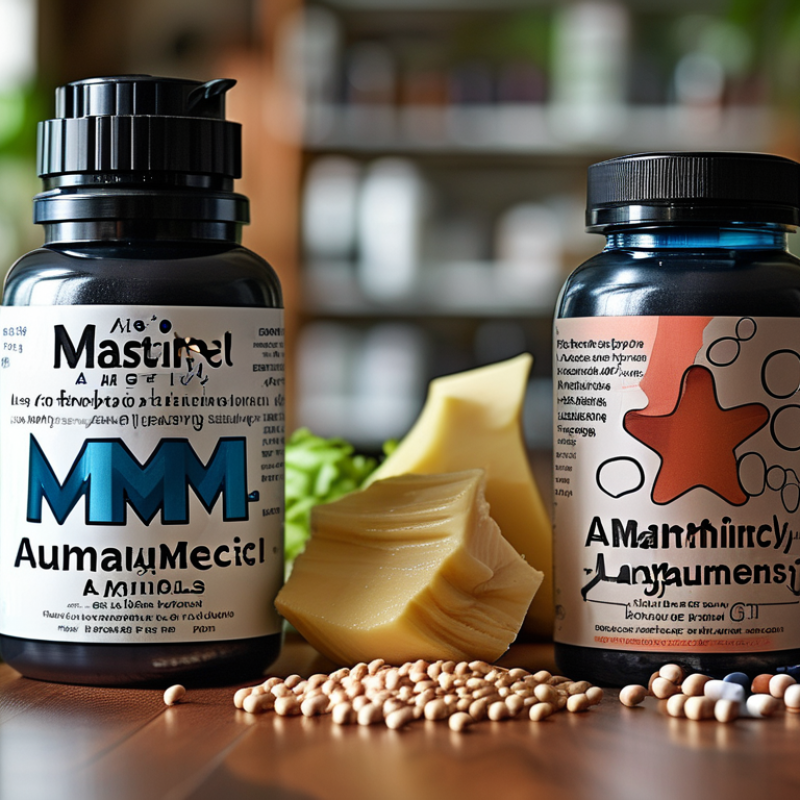
Understanding amino acids is crucial when selecting an amino complex. Amino acids are classified into essential and non-essential types. Essential amino acids cannot be produced by the body and must be obtained through diet. In contrast, non-essential amino acids can be synthesized by the body. According to a study published in the Journal of Nutrition, out of the 20 standard amino acids, 9 are essential. This knowledge informs your dietary choices and supplementation needs.
Different amino acids serve unique functions in the body. For instance, leucine plays a key role in muscle protein synthesis, while glutamine is vital for gut health. According to the International Society of Sports Nutrition, individuals engaging in intense workouts may require higher levels of these essential amino acids. However, many overlook their dietary sources. Relying solely on supplements can lead to imbalances. A well-rounded diet typically provides adequate essential amino acids for most people.
Choosing the right amino complex requires a solid understanding of your individual needs. Some may need more protein for muscle recovery, while others might require support for overall health. It's important to consider these factors when evaluating supplements. Engaging with a healthcare professional can help clarify your requirements and avoid potential pitfalls in supplementation.
This chart illustrates the distribution of essential and non-essential amino acids in the human body. Understanding these types can help you choose the best amino complex for your needs.
When evaluating your fitness goals, consider what amino complexes can do for you. Amino acids play a crucial role in muscle recovery. A study by the International Society of Sports Nutrition highlighted that branched-chain amino acids (BCAAs) can reduce muscle soreness after exercise. This is particularly important for athletes aiming for peak performance.
Your dietary needs are equally important. Not everyone requires the same level of amino acids. According to the American College of Sports Medicine, individual requirements can vary based on activity level, body weight, and overall fitness goals. If you're simply maintaining your weight, fewer amino acids may suffice. However, those in intense training may need significantly more.
Understanding your personal goals and diet can be challenging. People often overestimate their amino acid needs. That's why it’s vital to assess your protein intake from whole foods first. Only then, consider supplements if necessary. A cautious approach helps avoid excess, which might not bring expected benefits and could even lead to unwanted side effects. Take the time to reflect on what your body truly needs.
When comparing different amino complex formulations, it's crucial to consider several factors. Each formulation contains various amino acids which serve distinct purposes. For instance, branched-chain amino acids (BCAAs) are popular for muscle recovery. On the other hand, essential amino acids (EAAs) support overall protein synthesis.
The quality of the amino complex also matters significantly. Look for those that use high-quality sources. Some formulations might add sugars or fillers, which can dilute the benefits. Pay attention to the ingredient list. Transparency is key; reliable manufacturers will provide comprehensive information about the composition.
It's easy to get lost among the marketing claims. Some products may hype their effects without valid evidence. Research can feel overwhelming, but it's necessary. Understanding how your body reacts to different amino acids is an ongoing process. Testing and monitoring your response can help refine your choice. Don't hesitate to seek professional advice when uncertain.
When considering amino complexes, timing and dosage are crucial. Many research studies indicate that proper dosage can vary based on individual needs. Factors include body weight, activity level, and specific health goals. Generally, a typical dosage ranges between 5 to 20 grams daily. However, some individuals may require adjustments based on their unique response to these complexes.
Timing is just as important. Consuming amino acids before or after workouts can optimize muscle recovery. Research shows that pre-workout intake may enhance endurance. Conversely, post-workout consumption helps in muscle repair. A small window, roughly 30 minutes post-exercise, is often recommended for maximum benefit. Nevertheless, responses may differ, leading to the need for personal experimentation.
Listening to your body is vital. You may experience digestive discomfort or ineffective results if dosage is too high. Adjustments might be necessary to find the right balance. Some people might see better results with spaced-out doses throughout the day. Monitoring your body's reactions can provide insight into what works best. With time and patience, you can discover the most effective approach for your amino complex needs.
When selecting an amino complex, it’s vital to understand potential side effects and interactions. Many users overlook how these supplements interact with other nutrients. For example, amino acids can impact the absorption of certain minerals like zinc and magnesium. A 2020 study indicated that high doses of some amino acids may lead to gastrointestinal discomfort or even diarrhea.
Interactions are not just limited to vitamins and minerals. Some amino acids can affect the efficacy of medications. Research published in "Clinical Nutrition" shows that certain amino complexes may interfere with antidepressants. This can lead to decreased therapeutic effects, making it crucial to consult a healthcare provider before combining supplements with prescription drugs.
Furthermore, not all amino complexes are created equal. Variability in formulations can lead to unpredictable outcomes. A report from the American Council on Science and Health points out that products may contain contaminants or not list all ingredients clearly. Users should approach amino complexes with caution. They should participate in informed discussions with healthcare professionals. This helps mitigate potential risks associated with side effects and interactions.
: Think about the benefits of amino complexes. They play a key role in muscle recovery.
Needs vary by activity level and goals. Anyone maintaining weight might need fewer amino acids.
Many overestimate their requirements. It’s important to assess protein intake from whole foods first.
A general range is 5 to 20 grams daily. Adjustments may be needed based on individual response.
Consuming them around workouts optimizes recovery. Pre-workout helps endurance; post-workout aids muscle repair.
High dosages may cause digestive discomfort. You might need to adjust for better results.
They can affect absorption of minerals like zinc and magnesium. This interaction is often overlooked.
Yes, some may interfere with antidepressants, reducing their effectiveness. Consult a healthcare provider before combining.
No, variability in formulations can lead to unexpected outcomes. Always choose reputable products and discuss with professionals.
Listen to your body. Monitor reactions and be patient with adjustments to discover what works best.
When selecting the best Amino Complex for your personal needs, it is crucial to first understand the different types of amino acids, namely essential and non-essential. This foundational knowledge will guide you in evaluating your fitness goals and dietary requirements to ensure the Amino Complex you choose aligns with your overall health objectives.
Next, consider the various formulations available on the market, comparing their unique benefits. Equally important is researching dosage guidelines and timing to maximize the efficacy of your chosen Amino Complex. Lastly, be aware of potential side effects and interactions with other supplements to ensure a safe and effective experience. By taking these factors into account, you can make an informed decision that supports your wellness journey.
