Sinofn Health Sinofn Health

Top Food Supplements Suppliers in China for Global Buyers?

Time:2026-10-18 Author:Liam
0%

The global Food Supplements market is expanding, but its supply chain is becoming more demanding. Grand View Research valued the global dietary supplements market at approximately USD 177.5 billion in 2023, with continued growth expected through 2030. However, market estimates differ by product definition and region. Buyers should treat forecasts as direction, not certainty.

China remains an important manufacturing base for vitamins, minerals, botanical extracts, probiotics, and functional powders. Its advantages include broad raw-material access, mature contract manufacturing, and flexible packaging capacity. UN Comtrade data can help buyers examine trade flows by product code, while reports from the China Chamber of Commerce for Import and Export of Medicine and Health Products offer useful industry context. These sources do not replace factory verification. They only create a starting point.

Quality varies.

A reliable supplier should provide traceable batch records, clear ingredient specifications, stability information, and independent laboratory testing. Certifications such as GMP, ISO 22000, HACCP, and relevant market approvals can support due diligence, but certificates must be checked with the issuing body. Buyers should also review allergen controls, contaminant testing, labeling accuracy, and recall procedures. A polished website proves very little.

This guide examines leading Chinese Food Supplements suppliers for global buyers. It focuses on manufacturing experience, product development, export capability, documentation, and communication practices. Cost matters, but the cheapest quotation may hide weaker testing or inconsistent raw materials. No supplier ranking is perfect. Actual suitability depends on formula complexity, target market, order volume, and regulatory requirements. Careful sampling and an on-site or third-party audit remain essential before signing a long-term agreement.
Top Food Supplements Suppliers in China for Global Buyers?

China’s Food Supplement Manufacturing Landscape

China’s food supplement manufacturing landscape is broad, export-oriented, and uneven in quality. Grand View Research valued the global dietary supplements market at about USD 177.5 billion in 2023. This demand encourages Chinese factories to expand capsules, tablets, powders, and liquid formats.

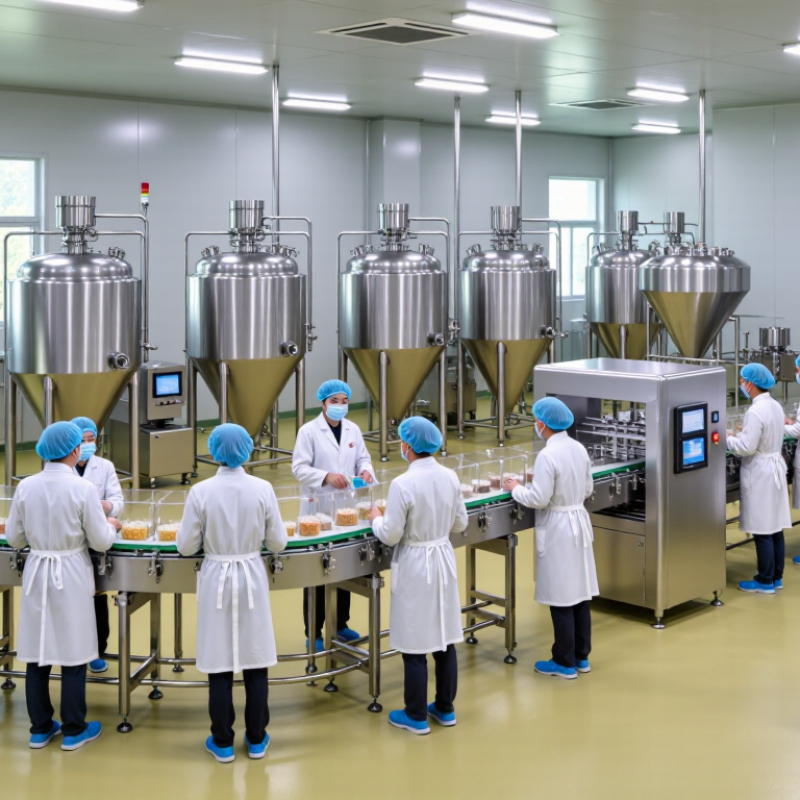
The strongest suppliers usually control several production steps. These include raw material testing, blending, filling, packaging, and batch release. A serious facility should provide certificates of analysis, microbiological results, heavy metal testing, and stability data. It should also explain allergen controls clearly. Small details matter. A damp warehouse can damage powder quality quickly.

China’s manufacturing advantage comes from scale, flexible minimum orders, and access to botanical and nutritional ingredients. However, low pricing can hide weak documentation or inconsistent sourcing. The 2024 Global Food Safety Initiative benchmarking reports continue to stress traceability, supplier approval, and documented corrective actions across food supply chains. Buyers should review current GMP certificates, audit production records, and confirm whether testing covers every batch.

Independent verification remains valuable. ISO 22000 or HACCP certification shows a structured food safety system, but certification alone proves little about daily discipline. One imperfect point deserves attention: many suppliers present impressive certificates, yet their change-control procedures may be vague. Global buyers should request samples from different batches, inspect labels against destination-market rules, and record every specification before signing a contract.

Key Types of Food Supplement Suppliers in China

Top Food Supplements Suppliers in China for Global Buyers?

Key Types of Food Supplement Suppliers in China

China’s supplement supply base has three common supplier types: ingredient manufacturers, contract manufacturers, and trading companies. Ingredient manufacturers produce vitamins, minerals, botanical extracts, and amino acids. Contract manufacturers blend, encapsulate, package, and often support private-label projects. Trading companies may offer broader sourcing, but production control can be less visible. Grand View Research valued the global dietary supplements market at about USD 177.5 billion in 2023, increasing pressure on suppliers to prove quality, capacity, and traceability.

The best choice depends on your product and risk level. An ingredient producer suits buyers needing stable raw materials and technical files. A contract manufacturer fits buyers requiring finished capsules, powders, or tablets. A trading company may help with smaller orders, yet buyers should confirm the actual factory address and audit records. In practice, paperwork is not enough. Request a current certificate of analysis, allergen statement, microbiological results, heavy-metal testing, stability data, and batch traceability. ISO 22000, HACCP, and GMP systems are useful signals, but certificates require verification. This is where many buyers become overconfident.

Tips: Compare at least three suppliers. Ask who owns the formula. Check whether testing is internal or independent. Review a sample batch before signing a large order. The Nutrition Business Journal continues to report strong global demand for supplements, but demand alone does not guarantee reliable production. Small inconsistencies in color, odor, or powder flow can reveal larger process problems. Fit matters. Suppliers should explain limits honestly, not promise everything.

How to Evaluate Chinese Suppliers for Global Sourcing

Top Food Supplements Suppliers in China for Global Buyers?

How to Evaluate Chinese Suppliers for Global Sourcing

China offers broad supplement manufacturing capacity, but scale can hide uneven quality. Grand View Research valued the global dietary supplements market at approximately USD 177.5 billion in 2023. That growth attracts capable factories and opportunistic traders. Global buyers should verify the actual production site, not only a polished website or low quotation.

Request current GMP certificates, product specifications, allergen controls, batch records, and independent laboratory results. Check whether the certificate covers the exact facility and product category. Ask for three recent batches of certificates of analysis, then compare laboratory methods and testing limits. A factory audit should examine weighing rooms, water systems, warehouse temperatures, pest control, and traceability. The supplier should identify raw-material origins and explain recall procedures. ISO 22000 or HACCP certification helps, but neither replaces an audit. Regulatory expectations differ across markets, so review destination-country rules before signing.

Tips: Start with a small pilot order. Use sealed retention samples. Confirm heavy-metal, microbial, and identity testing through an accredited laboratory. Visit the facility when possible. I would not approve a supplier from documents alone. One weakness in my own checklist is overvaluing certificates; daily production discipline matters more. Review complaint records, delivery history, change-control notices, and packaging performance. OECD due-diligence guidance also supports documented risk assessment and ongoing monitoring, not one-time approval.

Certifications, Quality Control, and Regulatory Compliance

Top Food Supplements Suppliers in China for Global Buyers?

Reliable supplement sourcing begins with verifiable certifications, not attractive catalogs.

Look for current GMP, HACCP, ISO 22000, and relevant product registrations. Confirm the certificate holder, factory address, scope, and expiry date. A document without matching production details deserves careful questioning.

Quality control should be visible inside the facility.

Ask for raw material specifications, batch records, allergen controls, stability data, and contaminant testing. Independent laboratory reports should cover heavy metals, microbes, pesticides, and identity. Each batch should have a clear Certificate of Analysis.

Traceability matters. Can the supplier connect one finished bottle to its original raw material lot? If not, the system may be weaker than promised. No system is perfect. Even experienced buyers can overlook small inconsistencies.

Tips:

Request a recent video audit and compare it with the factory’s documentation. Check labels against the destination market’s rules, including dosage, ingredients, warnings, and permitted claims. Avoid medical promises unless legally authorized. Ask how recalls are handled and how quickly records can be provided. Regulatory requirements differ across countries, and formulas accepted in one market may fail in another. Written change-control procedures are essential because suppliers may alter materials without creating an obvious visual difference. Supplier communication also reveals expertise. Clear answers, dated evidence, and prompt corrections are stronger signs than polished sales language.

Export, Packaging, and Supply Chain Considerations

Top Food Supplements Suppliers in China for Global Buyers

Reliable sourcing begins with evidence, not attractive product photos. Global buyers should review a supplier’s manufacturing license, quality system, product specifications, and recent test reports. Ask for batch-level certificates of analysis, allergen statements, ingredient origins, and stability data. Details matter. A factory may offer strong production capacity, yet its documentation can remain incomplete. That gap deserves careful questioning before payment or sampling.

Packaging must suit the destination market and the product itself. Moisture-sensitive powders need effective barriers, tight seals, and suitable desiccants. Capsules and tablets require protection from heat, light, and crushing during transport. Request packaging samples before approving mass production. Check label language, serving information, lot numbers, expiry dates, and storage instructions against local requirements. Packaging errors are expensive to correct after export.

Supply chain planning should cover minimum order quantities, lead times, inspection points, and shipping terms. Confirm whether the supplier manages export paperwork or relies on a third party. Clarify carton dimensions, pallet standards, container loading, and temperature controls when needed. Track raw materials through finished goods using batch records and retained samples. A lower quote may hide weak inspection or delayed delivery. That trade-off is not always visible. Build a small trial order into the plan, then review damage rates, communication speed, and document accuracy before expanding volume. Allow room for revision. Real supply chains rarely perform perfectly.

China Food Supplement Supply Chain Indicators for Global Buyers

The chart uses China’s 2023 World Bank Logistics Performance Index scores, rated from 1 to 5. Higher scores indicate stronger performance in customs, infrastructure, international shipments, logistics competence, tracking, and timeliness. Global buyers should combine these supply-chain indicators with destination-market labeling rules, product registration requirements, packaging specifications, shelf-life controls, and export documentation when evaluating Chinese food supplement suppliers.

FAQS

What types of food supplement suppliers are common in China?

Ingredient manufacturers provide vitamins, minerals, extracts, and amino acids. Contract manufacturers produce capsules, powders, or tablets. Trading companies may offer wider sourcing. Their factory control can be less visible.

Which supplier type suits a finished supplement project?

A contract manufacturer usually fits finished-product orders. It may blend, encapsulate, package, and support private-label work. Confirm who owns the formula. That detail is easy to miss.

What documents should buyers request before ordering?

Request a current Certificate of Analysis, allergen statement, and microbiological results. Ask for heavy-metal testing, stability data, and batch records. Check dates and matching factory details. Paperwork alone is not proof.

How can buyers verify supplier certifications?

Check the certificate holder, factory address, scope, and expiry date. Useful systems include GMP, HACCP, and ISO 22000. Verify certificates with the issuing organization when possible. A polished document may still be incomplete.

How should product quality be tested?

Ask whether testing is internal or independent. Review identity, microbes, pesticides, and heavy metals. Examine a sample batch before placing a large order. Color, odor, or powder flow can reveal process problems.

Why is batch traceability important?

Traceability should connect a finished bottle to its original raw-material lot. Ask for batch numbers and production records. Confirm how quickly records can be supplied. No system is flawless.

What should buyers inspect during a factory review?

Request a recent video audit and compare it with facility documents. Check storage areas, testing rooms, packaging lines, and records. Confirm the actual factory address. The details may not align.

How can buyers reduce regulatory and ordering risks?

Compare at least three suppliers and clarify material limits. Check labels, dosages, warnings, ingredients, and permitted claims. Ask about change control and recall procedures. Demand clear, dated answers.

Conclusion

China has become a major sourcing hub for Food Supplements, offering a broad manufacturing landscape that includes ingredient producers, contract manufacturers, private-label factories, and specialized suppliers for products such as capsules, tablets, powders, gummies, and liquid formulas. Global buyers can benefit from flexible production capacity, competitive costs, and extensive formulation experience, but supplier selection requires careful evaluation of manufacturing capabilities, product consistency, communication, minimum order quantities, and export experience.

Before cooperation, buyers should verify certifications, quality management systems, testing procedures, traceability, and compliance with the regulations of the destination market. Attention should also be given to product documentation, packaging materials, labeling accuracy, shelf-life protection, and logistics planning. Clear specifications, independent inspections, batch testing, and written quality agreements can help reduce sourcing risks. By assessing suppliers systematically and building a transparent supply chain, international buyers can establish reliable partnerships and maintain consistent standards from production through delivery.

Liam

Liam

Liam is a dedicated marketing professional with a profound expertise in the industry, where he excels at highlighting the unique advantages of our core products. With a keen understanding of market trends and consumer needs, Liam frequently updates our company’s professional blog, providing......