
Sinofn Health
As we look ahead to 2026, the importance of health supplements in our daily lives continues to grow. With increasing awareness about nutrition, many people are seeking optimal wellness through various dietary aids. Health supplements play a crucial role in bridging nutritional gaps. They can support our immune system, enhance energy levels, and improve overall health.
However, the market is saturated with options, making it challenging to identify which supplements truly offer benefits. Not all products are created equal. It's vital to seek supplements that align with individual health needs and lifestyle choices. Researching ingredients and understanding their effects is essential.
Choosing the right health supplements requires careful reflection. Not every supplement works for everyone, and experiences may vary widely. Mistakes can happen. Individuals should consult healthcare professionals to ensure they make informed decisions. By doing so, they can pursue a path toward better health and well-being.
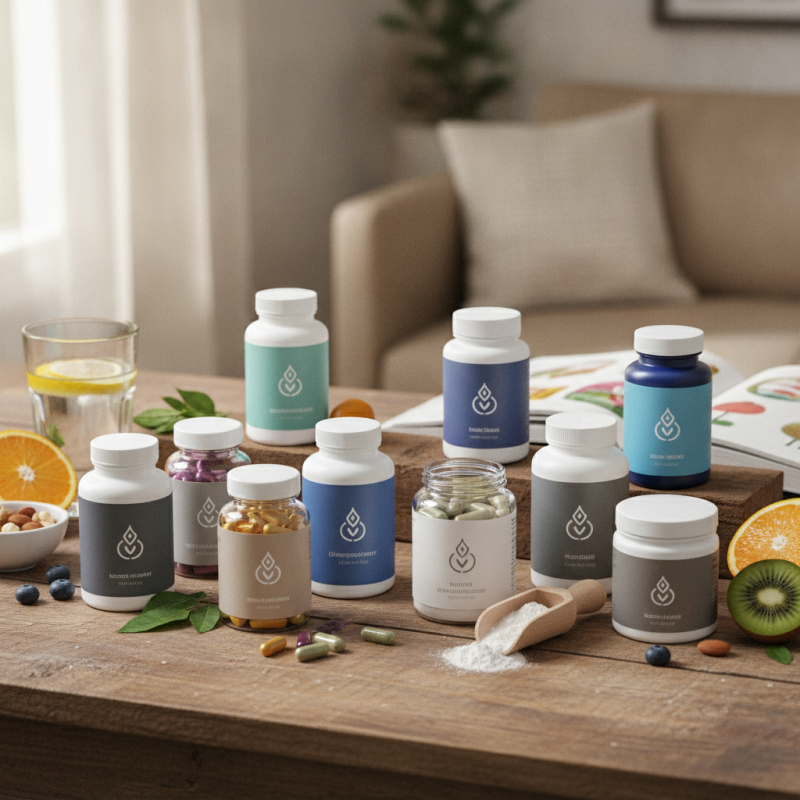
In 2026, health supplements are evolving to meet the growing demand for enhanced immunity. Consumers are increasingly turning to natural ingredients that support immune function. Elderberry, known for its antiviral properties, continues to gain popularity. Research shows it can shorten the duration of colds. Probiotic supplements are also becoming essential, as gut health is closely linked to immunity. A balanced microbiome strengthens the body's defenses.
Functional mushrooms are trending, with varieties like reishi and chaga offering immune support. These mushrooms are rich in antioxidants and help combat inflammation. Vitamin D plays a critical role too. With more people staying indoors, supplementation is crucial. Awareness of vitamin D's benefits is on the rise, although many still overlook it.
Despite these advances, the supplement industry faces challenges. Misinformation can mislead consumers. Not all products are effective, and quality varies significantly. It's vital to research before starting any supplement regimen. Consulting with healthcare professionals offers a clearer path to optimal wellness. In this rapidly changing landscape, prioritizing transparency and quality is essential for consumers.
This chart illustrates the popularity index of the top 10 health supplements predicted for optimal wellness in 2026. The data indicates a strong preference for Vitamin D and Omega-3, highlighting trends in immune support and overall health enhancement.
Omega-3 fatty acids are vital for heart health. Numerous studies highlight their role in reducing the risk of cardiovascular diseases. According to the American Heart Association, omega-3s can lower triglycerides by up to 20–50%. This effect plays a significant role in maintaining heart function.
Research indicates that a diet rich in omega-3s may decrease the likelihood of arrhythmias. A study published in the Journal of the American College of Cardiology notes that individuals with higher omega-3 levels have a 30% lower risk of heart attacks. These fats inhibit inflammation, promoting overall cardiovascular health.
Despite these benefits, the intake of omega-3s often falls short. Survey data from the National Health and Nutrition Examination Survey shows that only 30% of adults meet recommended intake levels. Many people need to reevaluate their diets. Balancing omega-3 sources with omega-6 fatty acids is crucial but often overlooked. This discrepancy can lead to increased inflammation and heart disease risk.
| Supplement | Key Benefits | Recommended Dosage | Evidence Grade |
|---|---|---|---|
| Omega-3 Fatty Acids | Supports heart health, reduces inflammation | 250-500 mg per day | A |
| Vitamin D | Enhances bone health, immune support | 600-800 IU per day | A |
| Magnesium | Aids in muscle function, energy production | 310-420 mg per day | B |
| Probiotics | Improves gut health, boosts immunity | 1-10 billion CFUs per day | B |
| Vitamin C | Antioxidant support, skin health | 500-1000 mg per day | A |
| Zinc | Supports immune function and wound healing | 8-11 mg per day | A |
| Curcumin | Anti-inflammatory, supports joint health | 500-2000 mg per day | B |
| Coenzyme Q10 | Supports heart health, energy production | 100-200 mg per day | B |
| Vitamin B12 | Supports energy production, nerve health | 2.4 mcg per day | A |
| Fiber Supplements | Improves digestive health, lowers cholesterol | 25-38 grams per day | B |
Probiotics are becoming increasingly recognized for their role in gut health and mental wellness. Research shows a strong link between gut microbiota and mood disorders. An unhealthy gut can lead to increased anxiety and depression. People often overlook their gut’s health when considering overall wellness.
When choosing probiotics, prioritize quality. Look for products that contain diverse strains, as this variety can improve gut functionality. Not all probiotics work the same way for everyone, so individual response may vary. Tracking how your body reacts can help identify the most effective options for you.
A simple tip: incorporate fermented foods into your diet. Foods like yogurt, kimchi, and sauerkraut nourish gut bacteria naturally. However, be mindful; some individuals may experience discomfort initially. It’s crucial to listen to your body and consult healthcare professionals when needed. Continuous monitoring of dietary changes can provide valuable insights into how your gut health affects your emotions.
Adaptogens have gained attention in recent years for their potential to enhance stress management. These natural substances may help the body adapt to stressors. They can promote balance, both physically and mentally. Growing evidence suggests that adaptogens can foster resilience in challenging times.
Many people experience chronic stress daily. This can lead to various health issues, affecting mental clarity and emotional stability. Integrating adaptogens into one's routine could be a game-changer. Common adaptogens include rhodiola, ashwagandha, and holy basil. These plants might help improve mood and energy levels, providing support when needed most.
However, adaptogens are not a cure-all. Their effects can vary significantly among individuals. It’s crucial to approach their use with an open mindset. Consulting with a healthcare professional can provide better insights for personal circumstances. The journey to optimal wellness is complex and often requires trial and reflection. Embracing the imperfect nature of this process can lead to deeper understanding and growth.
Vitamin D and
vitamin C are two essential nutrients gaining prominence in health discussions for 2026. Research from the
National Institutes of Health indicates that more than
40% of adults in the U.S. are vitamin D deficient. This deficiency can lead to substantial health risks,
including weakened bones and impaired immune function.
Vitamin C, known for its antioxidant properties, is vital for immune support. A study published in the
Journal of Nutritional Science found that adequate vitamin C intake can reduce the duration of respiratory infections. Yet, many people fall short of the recommended dietary allowance, largely due to inadequate fruit and vegetable consumption. In 2023, less than
10% of adults met the daily intake guidelines for fruits and vegetables.
The intersection of these vitamins highlights a troubling trend. As populations age, the need for these vitamins becomes increasingly crucial. However,
awareness and understanding remain low. Educating individuals about the best sources and benefits of vitamin D and C is essential for improving public health outcomes.
The complexity of supplement choices also complicates things, as misinformation often leads to poor dietary habits. Addressing these issues can pave the way for a
healthier future.
: Omega-3 fatty acids are vital for heart health and reducing cardiovascular disease risk.
They can lower triglycerides by up to 20-50%, helping maintain heart function.
Yes, it may decrease the likelihood of arrhythmias and lower heart attack risk.
Only about 30% of adults meet the recommended intake levels for omega-3s.
An imbalance can lead to increased inflammation and a higher risk of heart disease.
Over 40% of adults are deficient, leading to weakened bones and impaired immune function.
It has antioxidant properties and can reduce the duration of respiratory infections.
Many people consume insufficient fruits and vegetables, leading to low intakes of vitamins D and C.
Low awareness and misinformation contribute to poor dietary habits, affecting overall health.
The complexity of supplement choices often leads to confusion and inadequate nutrition.
In 2026, health supplements are poised to play a pivotal role in promoting optimal wellness. Key trends reveal a growing focus on enhancing immunity, with ingredients specifically designed to bolster the body's defenses against illnesses. Omega-3 fatty acids continue to be highlighted for their evidence-based benefits on heart health, demonstrating their importance in cardiovascular wellness. Additionally, probiotics are recognized for their significant impact on gut health and mental wellness, emphasizing the crucial link between digestive health and emotional well-being.
The incorporation of adaptogens reflects a rising awareness of the need for stress management and resilience in today's fast-paced world. Vitamins D and C remain essential nutrients, underscoring their relevance in supporting overall health and immunity in 2026. As we navigate the complexities of modern health challenges, these health supplements represent valuable tools in our pursuit of comprehensive wellness.
