
Sinofn Health Sinofn Health

China Best Probiotics International Suppliers?

Time:2026-09-08 Author:Ethan
0%

Choosing among China’s best probiotics international suppliers requires more than comparing prices or colorful product catalogs. A reliable partner should provide verified strain identities, clear CFU counts, and stability data through the stated shelf life. Certificates of analysis should match each production batch, not merely represent a company template. Manufacturing facilities also deserve close attention, including hygiene controls, allergen management, temperature monitoring, and traceable packaging records. These details matter when products travel through warehouses, ports, and changing climates.

Experience often reveals what brochures omit. Ask suppliers how they protect moisture-sensitive powders, manage delayed shipments, and investigate a failed test result. Request samples from the proposed production line, then evaluate odor, texture, dissolution, and label accuracy. Clinical research, strain-specific documentation, and transparent communication can distinguish a serious manufacturer from a trading intermediary. International buyers should also confirm destination-market requirements with qualified regulatory professionals. Compliance expectations differ across regions.

No supplier is perfect. Even experienced factories may face raw-material delays or inconsistent communication. That is why dependable partnerships need documented quality agreements, realistic lead times, and responsive corrective actions. A useful comparison should consider formulation expertise, production scale, customization ability, and post-sale support together. The lowest quotation may conceal weaker testing or limited traceability. Conversely, a higher price does not automatically prove superior quality. This guide examines practical selection criteria for Probiotics International sourcing, helping buyers make careful decisions based on evidence, product purpose, and long-term reliability.
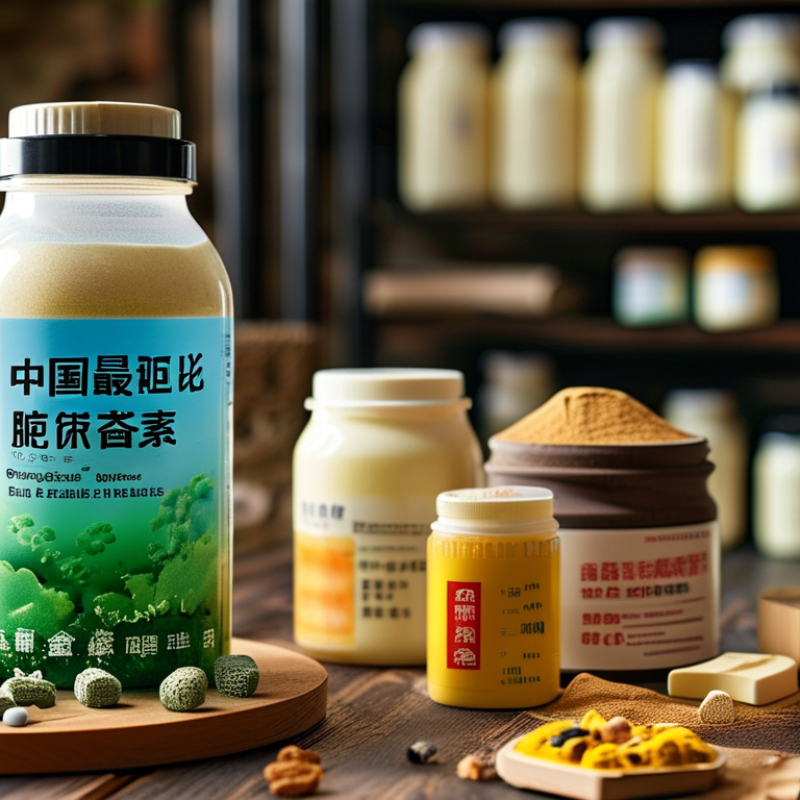
China Best Probiotics International Suppliers?

Define “Best” Using the FAO/WHO Probiotic Criteria and Clinical Evidence

China Best Probiotics International Suppliers?

“Best” should begin with evidence, not factory size or export volume. The FAO/WHO Expert Consultation defines probiotics as live microorganisms that provide a health benefit when administered in adequate amounts. This definition requires three checks: a clearly identified strain, proven viability, and a demonstrated benefit. Generic terms such as “lactic acid bacteria” are not enough.

Clinical evidence must match the exact strain and intended use. The ISAPP consensus statement stresses strain-specific benefits, while the World Gastroenterology Organisation’s 2023 guideline shows that probiotic effects can differ by condition, dose, and patient group. A supplier should provide randomized clinical trial references, not only laboratory test results. Look for trials reporting participant numbers, dosage, treatment duration, and adverse events. Real evidence is rarely perfect.

Manufacturing data matters too. Ask for certificates showing viable counts through the stated shelf life, not only at production. For example, a label claiming 10 billion CFU should be supported by stability results under defined temperature and humidity conditions. International buyers should review batch records, contamination controls, identity testing, and cold-chain procedures. FAO/WHO guidance remains a useful foundation, but it does not approve individual suppliers. My own concern is simple: documents may look complete while clinical relevance remains weak. Independent verification is still necessary.

Compare Strain Identity, CFU Potency, Viability, and Shelf-Life Claims

China Best Probiotics International Suppliers?

A credible supplier should prove strain identity, not merely list “Lactobacillus” or “Bifidobacterium.” The 2023 ISAPP consensus statement confirms that probiotic benefits are strain-specific. Ask for the complete genus, species, and strain code. Verify it with whole-genome sequencing or validated molecular testing. A certificate without test methods is weak evidence.

CFU potency also needs careful reading. The NIH Office of Dietary Supplements notes that labels may report CFU at manufacture or through expiration. Those numbers are not equivalent. Request batch results, test dates, and the storage conditions used. A jar claiming 50 billion CFU may contain far less by its final month if moisture control fails. Cold-chain data matters for some strains.

Viability is more than a high starting count. Review accelerated-stability studies, water activity, oxygen exposure, and packaging materials. FAO/WHO guidance recommends maintaining viable counts until the stated shelf-life, with clear identification and quality controls. Yet supplier reports can still feel incomplete. I would question tests performed only at day one. Real purchasing decisions need independent verification, especially after transport from China to warmer markets. Some claims look precise. The supporting evidence may not be.

Verify Testing Under ISO 19344:2015 and Require Batch-Specific COAs

China Best Probiotics International Suppliers?

When evaluating international probiotic suppliers in China, request evidence tied to each production batch. A generic COA is not enough. Ask whether viable-cell testing follows ISO 19344:2015, where applicable, using a documented flow-cytometry procedure. The report should identify the laboratory, method version, sample date, and acceptance limits. It should also distinguish viable cells from total cells. That difference can change the commercial value of a product.

A reliable batch-specific COA should show the lot number, strain identification, potency, moisture, storage conditions, and expiration date. Review results for pathogens, contaminants, and unwanted organisms separately. Request the sampling plan, not only the final numbers.

A supplier should provide sealed-sample traceability from production to laboratory testing. It should explain whether potency was measured at release or near the end of shelf life. Those are not equivalent claims.

During supplier audits, compare the COA with shipment labels and retained samples. Small mismatches matter. A polished document can still hide weak sampling. One practical error is accepting a supplier’s “ISO tested” statement without checking the exact test scope.

ISO 19344:2015 may support cell quantification, but it does not replace broader quality controls. Ask for raw data when results appear unusually consistent. Perfect numbers deserve questions.

A careful review may slow purchasing, yet it reduces the risk of receiving low-potency material with impressive paperwork.

Audit GMP, HACCP, ISO 22000, and China NMPA Compliance Records

China Best Probiotics International Suppliers?

Reliable probiotic sourcing begins with documented control, not a polished website. The FAO/WHO technical report recommends identifying each strain by genus, species, and strain number. It also stresses viable counts through the stated shelf life. Ask suppliers for strain certificates, stability data, and three consecutive batch COAs. Check whether testing covers potency, pathogens, heavy metals, and contamination.

GMP and HACCP records should match the actual production site. Review audit dates, scope, corrective actions, and unresolved deviations. ISO 22000 certification adds a food safety management framework, but certification alone proves little. Walk through sanitation logs, temperature mapping, environmental monitoring, and batch traceability. Small details matter. Missing signatures matter.

For products entering China’s regulated health-food channel, verify NMPA registration or filing records against the exact product, formula, manufacturer, and permitted claims. The China National Health Commission and NMPA systems should show consistent information. Do not accept screenshots without searchable records. Independent laboratories can confirm identity and potency, yet methods may differ between laboratories. That limitation deserves attention. Suppliers should explain analytical standards, detection limits, and retest rules clearly. A 2023 ISAPP consensus statement also emphasizes strain-specific evidence, meaning generic “probiotic” claims cannot replace documented research. Some audits still focus heavily on paperwork. That is an imperfect practice worth challenging.

China Best Probiotics International Suppliers? – Audit GMP, HACCP, ISO 22000, and China NMPA Compliance Records

Audit Dimension Applicable Requirement Objective Evidence to Request Verification Frequency Recommended Record Status
Legal Entity and Manufacturing Site The contracting entity and production site should be clearly identified and consistent across licenses, certificates, contracts, and invoices. Business registration, food-production or drug-manufacturing license where applicable, site address, scope of operations, and authorized signatory list. Before approval and whenever site or ownership changes. Pending document verification
GMP System GMP controls should cover personnel hygiene, premises, equipment, sanitation, process control, traceability, complaints, deviations, and corrective actions. Current GMP certificate or inspection record, approved SOP index, training records, cleaning validation, pest-control records, deviation reports, and CAPA effectiveness checks. At qualification, annually, and after major changes. Confirm product-category applicability
HACCP Food-Safety Plan The site should identify biological, chemical, and physical hazards and establish validated critical limits, monitoring procedures, corrective actions, and verification activities. HACCP plan, process-flow diagram, hazard analysis, CCP decision records, monitoring logs, corrective-action records, and annual plan review. At least annually and whenever process, formulation, or equipment changes. Evidence required
ISO 22000 Food-Safety Management ISO 22000:2018 requires an auditable food-safety management system, including communication, prerequisite programs, hazard control, management review, and continual improvement. Certificate showing ISO 22000:2018, certification scope, accredited certification body, issue and expiry dates, audit cycle, and any open nonconformities. Check certificate validity before approval and monitor surveillance audits. Validate certificate scope and issuer
Probiotic Strain Identity Each strain should be identified using an accepted scientific designation and controlled against an internal specification and approved supplier documentation. Strain identity certificate, deposit or reference information where available, identity test method, genetic or biochemical confirmation, and change-control history. Each new strain, supplier change, and periodically according to risk. Confirm identity independently
Potency and Viability The declared viable count should be supported by a validated or suitably verified method and measured at release and, where claimed, through shelf life. Batch certificate of analysis, enumeration method, acceptance criteria, stability data, storage conditions, and end-of-shelf-life potency results. Every batch and during scheduled stability testing. Review batch-level results
Microbiological Purity Testing should address specified pathogens, objectionable microorganisms, contamination, and purity risks relevant to the product and intended use. Laboratory reports, sampling plan, methods, limits, laboratory accreditation or qualification records, and out-of-specification investigation records. Every batch or according to a documented risk-based plan. Check method and limits
Contaminant Control The supplier should control heavy metals, allergens, mycotoxins, residual solvents, pesticides, and other contaminants according to the product risk assessment and destination-market rules. Risk assessment, raw-material specifications, supplier declarations, laboratory reports, allergen controls, and contaminant trend analysis. At qualification, per batch where required, and after regulatory changes. Risk-based evidence required
China NMPA Applicability NMPA requirements depend on product classification. Ordinary food, health food, and drug products follow different registration, filing, labeling, and manufacturing-control pathways. Product classification assessment, applicable registration or filing documents, approved formula or instructions where applicable, and evidence that claims match the authorized category. Before market entry and whenever formula, claims, dosage form, or regulations change. Classification must be confirmed
Raw-Material Traceability The system should link incoming materials, production batches, packaging components, testing results, release decisions, and customers. Lot records, warehouse logs, batch manufacturing records, packaging reconciliation, supplier approval records, and mock-recall results. Every batch; conduct a documented mock recall at planned intervals. Perform traceability test
Stability and Storage Shelf-life claims should be supported by stability data under defined temperature, humidity, packaging, and transportation conditions. Stability protocol, time-point results, packaging qualification, temperature-monitoring records, transport validation, and excursion-management procedures. At product development, periodically during shelf life, and after packaging changes. Review shelf-life justification
External Audit and CAPA Audit findings should be classified by risk, assigned to responsible personnel, corrected within defined timelines, and checked for effectiveness. Recent third-party or customer audit reports, nonconformity log, root-cause analysis, corrective-action plans, closure evidence, and effectiveness reviews. At qualification and at least annually for critical suppliers. Assess open findings before approval
Audit interpretation: A certificate alone does not prove product compliance. Confirm the certificate scope, validity, issuing body, manufacturing site, product category, batch records, laboratory methods, and China market authorization pathway before supplier approval.

Rank Export Suppliers by MOQ, Lead Time, Clinical Data, and Cost per CFU

China Best Probiotics International Suppliers?

China’s strongest probiotic export suppliers should be ranked by evidence, not factory size. A practical ranking starts with MOQ, lead time, clinical data, and cost per CFU. Tier-one suppliers often accept MOQs above 100,000 units, offer 30–45 day lead times, and provide strain-specific stability results. Their clinical documentation may include peer-reviewed studies, dosage details, and storage conditions. Costs commonly range from US$0.002 to US$0.008 per billion CFU, depending on formulation and packaging.

Tier-two suppliers may offer lower MOQs, sometimes near 10,000 units. Their lead times usually reach 45–70 days, especially for customized sachets or delayed-release capsules. Clinical evidence can be limited to supplier summaries, with fewer independent trials. Their cost per CFU may look attractive, but lower potency at the expiration date can change the calculation. Ask for certificates of analysis from several production batches.

Tier-three suppliers often compete through flexible sampling and low entry volumes. However, their clinical data may be generic, and their export records need closer review. Request strain identity testing, declared CFU at expiry, microbial limits, and temperature-control records. Calculate cost per CFU using delivered cost, not the factory quotation. This ranking is useful, but imperfect. Testing methods and survival claims are not always comparable. A careful buyer should verify them independently.

FAQS

: Why must a supplier provide the complete probiotic strain identity?

: Benefits can differ between strains, even within one species. Request the genus, species, and strain code. Verify identity through whole-genome sequencing or validated molecular testing. A certificate without test methods is weak evidence.

What should a buyer check about CFU potency?

Ask whether the CFU number applies at manufacture or expiration. These claims are not equivalent. Request batch results, test dates, and storage conditions. A jar claiming 50 billion CFU may decline sharply before its final month.

Why is viability more important than a high starting count?

A high initial count does not guarantee survival during storage. Review water activity, oxygen exposure, packaging, and accelerated-stability data. Cold-chain records may matter for sensitive strains. Day-one testing alone is incomplete.

What should a batch-specific COA include?

It should show the lot number, strain identity, potency, moisture, storage conditions, and expiration date. It should identify the laboratory and testing method. Request the sampling plan and sealed-sample traceability. Generic documents are not enough.

How should viable-cell testing be reviewed?

Check whether the method follows ISO 19344:2015, where applicable. Confirm the method version, sample date, and acceptance limits. The report should distinguish viable cells from total cells. That difference affects product value.

What details should be compared during a supplier audit?

Compare the COA with shipment labels and retained samples. Check lot numbers, potency claims, dates, and storage instructions. Small mismatches matter. Perfect numbers deserve questions.

How can international suppliers be ranked fairly?

Compare MOQ, lead time, clinical data, and delivered cost per CFU. Also review stability results and export records. A low factory price may hide weak final potency. The ranking is useful, but imperfect.

What practical questions should buyers ask before ordering?

Ask for several batch COAs, strain testing, potency at expiration, and temperature-control records. Request clinical studies with dosage and storage details. Confirm whether evidence comes from independent trials or supplier summaries. Slow purchasing can prevent expensive mistakes.

Conclusion

Choosing the best Probiotics International supplier in China requires more than comparing prices or product descriptions. A reliable evaluation should begin with the FAO/WHO probiotic criteria and available clinical evidence, including clearly identified strains, scientifically supported benefits, accurate CFU potency, and demonstrated viability through the stated shelf life. Buyers should also examine storage conditions, packaging protection, expiration policies, and whether potency is guaranteed at manufacture or at the end of shelf life.

Supplier verification should include testing aligned with ISO 19344:2015 and batch-specific Certificates of Analysis covering identity, potency, contaminants, and microbiological safety. Auditing GMP, HACCP, ISO 22000, and applicable China NMPA compliance records can help confirm consistent manufacturing and regulatory readiness. Finally, suppliers should be ranked using practical export factors such as MOQ, lead time, clinical documentation, communication quality, and cost per viable CFU. This structured approach supports informed sourcing decisions while reducing quality, compliance, and supply-chain risks.

Ethan

Ethan

Ethan is a seasoned marketing professional with a deep expertise in our company's innovative product line. With a passion for sharing knowledge and insights, he takes the lead in regularly updating our corporate blog, where he explores industry trends, product features, and effective marketing......