
Sinofn Health
Collagen Glow Berries have become a recognizable wellness product in many markets. Their appeal combines beauty-focused messaging, fruit flavors, and simple daily routines. A small berry-shaped chew can feel easier than mixing powder into water. That convenience matters.
Many products contain collagen peptides, vitamin C, berry extracts, or other nutrients. Formulas differ widely, however, so the name alone proves little. Some consumers enjoy the taste and carry the product in a handbag or desk drawer. Others discover it through short videos showing colorful packaging and morning beauty routines. Social media has clearly increased visibility. It has not, by itself, confirmed every marketing claim.
Interest also reflects a broader shift toward “beauty from within” products. People often want support for skin appearance, hair, nails, or general nutrition without complicated habits. Scientific evidence on collagen supplementation is developing, with some studies reporting modest improvements in skin-related measures. Results can vary by dosage, product quality, diet, age, and personal health. That distinction matters.
Reliable discussion should separate evidence from expectation. Shoppers can check the ingredient list, serving size, allergen information, and manufacturing standards. Independent testing may offer additional confidence, though it does not guarantee dramatic results. A qualified healthcare professional can help people assess suitability, especially during pregnancy or when medications are involved. Collagen Glow Berries may be convenient, but they are not a substitute for balanced meals, sleep, sun protection, or medical care. The glow is appealing. The full story is more ordinary, and more useful.
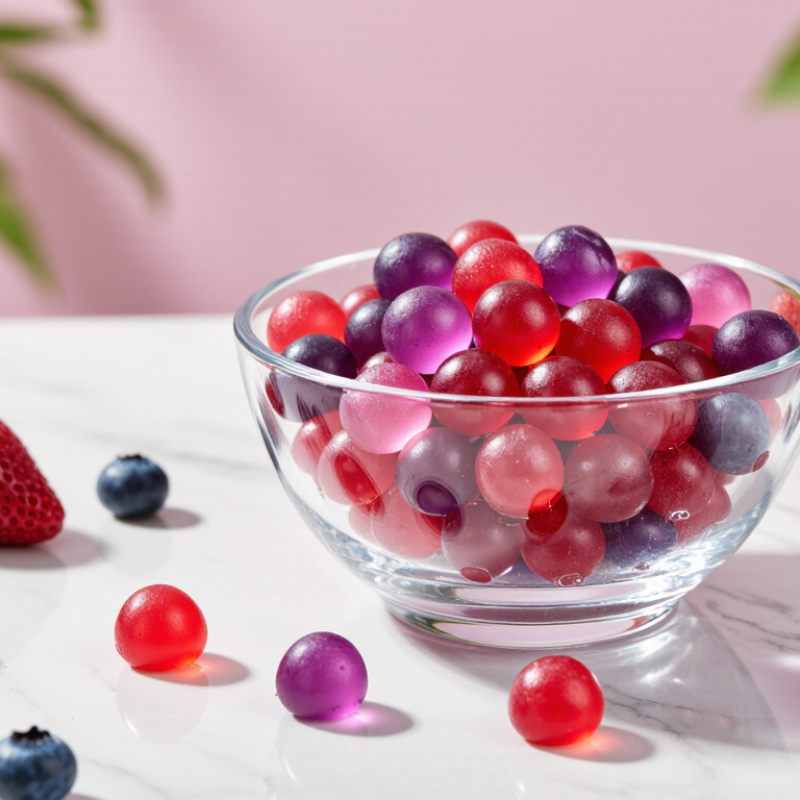
Collagen glow berries are chewable dietary supplements made to support skin-focused nutrition. The name sounds playful, but the product is usually a small gummy or berry-shaped chew. Most formulas contain hydrolyzed collagen peptides, which are broken into smaller protein fragments. Some also include vitamin C, zinc, biotin, or hyaluronic acid.
“Glow” is a marketing expression, not a medical outcome. Collagen itself is a structural protein found in skin, bones, and connective tissue. The body uses amino acids from digested collagen according to its own needs. It does not send every serving directly to facial skin. That point is easy to miss.
Market data helps explain the popularity. Grand View Research valued the global collagen market at more than 10 billion dollars in 2023, with continued growth expected through 2030. The International Food Information Council’s 2024 Food and Health Survey also reported strong consumer interest in foods and supplements supporting appearance and wellness. These figures describe market demand, not guaranteed results.
Evidence is promising but imperfect. A 2023 systematic review in the International Journal of Dermatology found that oral hydrolyzed collagen may improve skin hydration and elasticity. However, many trials were small, short, or partly industry-funded. Results can differ with dosage, age, diet, and regular use. Check the collagen source and serving amount. Also check added sugar. A berry shape does not make the formula nutritionally complete.
Collagen glow berries are popular because they combine beauty-focused nutrition with a familiar fruit format.
Grand View Research valued the global collagen market at about USD 9.12 billion in 2022. Its report also projected strong growth through 2030. This momentum reflects wider interest in convenient supplements, not proof of every beauty claim.
The defining ingredient is usually hydrolyzed collagen peptides. Enzymatic processing breaks collagen into smaller peptides for easier use in drinks, powders, and gummies.
Vitamin C often appears beside collagen because it supports normal collagen formation. Berry powders may add anthocyanins and other polyphenols, creating color and a sharper taste. However, the actual berry content can be surprisingly small.
Hyaluronic acid, biotin, and zinc are also common additions. They support the product’s beauty positioning, but they do not automatically improve skin appearance.
According to the Council for Responsible Nutrition’s 2023 survey, 74% of U.S. adults reported using dietary supplements, showing how mainstream this category has become.
Still, product quality varies. A transparent label should state collagen dosage, source, added sugar, allergens, and testing practices.
“Glow” remains a marketing phrase, not a clinical outcome. I would also question products that hide amounts inside proprietary blends. More ingredients can look impressive, but they may weaken trust.
Collagen Glow Berries are popular because they make beauty routines feel simple and enjoyable. Their berry flavor can be easier to remember than swallowing capsules each morning. Many products provide hydrolyzed collagen peptides, while others add vitamin C, hyaluronic acid, or zinc. Formulas differ, so reading the supplement facts panel matters. Small details count.
Collagen is a structural protein found in skin, bones, joints, and connective tissue. Some clinical studies suggest that regular oral collagen intake may support skin hydration and elasticity. The effects are usually gradual and modest. Not overnight. Vitamin C also helps normal collagen formation, but it does not transform skin by itself. Sunscreen, sufficient sleep, protein-rich meals, and gentle skincare remain important parts of a realistic beauty plan.
Glow berries may also support wellness goals by creating a consistent daily habit. A person might take them with breakfast, beside a glass of water, instead of skipping supplements entirely. However, some products contain added sugar, artificial flavors, or more calories than expected. Check the serving size carefully. If you have allergies, take medication, or are pregnant, ask a qualified healthcare professional before use. I would also track changes for several weeks, using the same lighting for skin photos. Personal impressions can be useful, but they are not scientific proof. Results vary.
Collagen is a structural protein found in skin, bones, cartilage, and connective tissue. Vitamin C is required for normal collagen formation, while meeting overall protein needs supplies amino acids used to build body proteins. The chart shows established daily vitamin C reference values for different adult life stages; collagen glow berries may be appealing because they offer a convenient, portable format for beauty and wellness routines, but their benefits depend on their actual ingredients and quantities.
Reference values: U.S. National Institutes of Health, Office of Dietary Supplements. Adult smokers generally need an additional 35 mg of vitamin C per day.
Collagen glow berries combine a familiar berry taste with a portable supplement format. This matters because many consumers dislike large tablets and strong protein flavours. In a 2023 survey, the Council for Responsible Nutrition reported that 74% of U.S. adults used dietary supplements. Convenience clearly influences daily routines.
Berry flavours can soften marine or animal-derived notes, although the result is not always perfect. Gummies, chewables, and small sachets also fit handbags, office drawers, and airport luggage. Grand View Research valued the global collagen market at approximately USD 9.76 billion in 2022. It also projected strong growth through 2030. These figures suggest rising interest, but they do not prove that every collagen product delivers visible results. Evidence varies by ingredient source, dosage, and study design.
Tips: Choose products with clear collagen amounts, ingredient lists, and storage instructions. Check whether the texture stays pleasant after opening. Look for independent quality testing when available. A bright berry flavour may encourage consistency, but sweetness can hide unnecessary sugar. Read the label carefully. Consumers should also remember that dietary supplements cannot replace balanced meals, sleep, or professional medical advice. The format is appealing, yet personal preference still decides long-term use.
Why Are Collagen Glow Berries Popular Worldwide?
Their appeal is easy to understand. Collagen glow berries offer a portable format, a sweet taste, and beauty-focused messaging. Many contain collagen peptides, vitamin C, or biotin. However, popularity does not prove safety or effectiveness. Product quality can differ widely between markets and manufacturers.
Read the fine print. Consumers should check the collagen source, especially when allergies, dietary choices, or religious restrictions matter. Fish, bovine, and porcine collagen are not interchangeable for everyone. The label should show serving size, ingredient amounts, added sugar, allergens, batch details, and an expiration date. Vague phrases such as “advanced beauty blend” deserve caution. They may hide small amounts or undisclosed combinations. Health claims also need realistic interpretation. A supplement cannot replace balanced nutrition, sleep, or professional medical advice.
Tips: Compare the actual collagen amount per serving, not just the front label. Look for clear manufacturer contact information and credible third-party testing. Avoid products with damaged seals, unclear storage instructions, or unusually dramatic promises. People using medicines, managing pregnancy, or living with kidney or liver conditions should ask a qualified healthcare professional first. Some users may notice digestive discomfort, and stopping is sensible if symptoms appear. Less is not always safer. Labels can still be confusing, and even careful readers may miss a detail. That is why a slower purchase is often the wiser one.
| Dimension | What Is Generally Known | What Consumers Should Check | Practical Safety or Labeling Point |
|---|---|---|---|
| Product format and popularity | “Glow berries” commonly describes a flavored supplement format that may combine collagen peptides with berry ingredients, vitamins, minerals, sweeteners, or other compounds. Convenient, portable, and beauty-oriented formats can appeal to consumers in different markets. | Read the complete ingredient list rather than relying on the product name, color, or beauty-related wording. | A berry flavor or appearance does not prove that the product contains a meaningful amount of fruit or collagen. |
| Collagen source | Supplemental collagen is commonly derived from animal sources such as fish, bovine, porcine, or poultry materials. The source affects dietary suitability and allergy considerations. | Look for a clearly named source, such as marine, bovine, porcine, or poultry collagen. | People with relevant food allergies, religious dietary requirements, or vegetarian or vegan preferences should verify the source before use. |
| Collagen amount | The quantity of collagen can vary substantially between products. A product may list a serving size without clearly emphasizing the actual collagen amount. | Check the amount of collagen peptides per serving and compare it with the recommended daily serving. | “Contains collagen” is not the same as disclosing a substantial or clinically studied amount. |
| Vitamin C and collagen claims | Vitamin C is required for normal collagen formation in the body. This biological role does not automatically establish that every collagen supplement improves skin appearance. | Confirm the vitamin C quantity and whether the stated benefit is an authorized or permitted claim in the product’s target market. | Be cautious of promises such as “reverses aging,” “erases wrinkles,” or “guaranteed glow,” which may be misleading or noncompliant. |
| Allergen and cross-contact information | Fish-derived collagen can be relevant to people with fish allergies. Other ingredients, including flavorings or added proteins, may introduce additional allergen concerns. | Review allergen declarations and statements about shared equipment or cross-contact where applicable. | Do not assume that “berry,” “natural,” or “clean” means allergen-free. |
| Sweeteners and other added ingredients | Chewable or gummy-style products may contain sugars, sugar alcohols, acids, colors, preservatives, caffeine, herbs, or multiple vitamins and minerals. | Check total sugars, added sugars where listed, sugar alcohols, stimulant ingredients, and duplicate nutrients from other supplements. | Excessive sugar alcohol intake may cause digestive discomfort in some people; cumulative nutrient intake can also become excessive. |
| Required label information | A reliable label should identify the serving size, amount per serving, ingredient list, directions, warnings, storage information, and responsible business or importer details as required by the applicable jurisdiction. | Avoid products with missing batch information, unclear quantities, incomplete ingredients, or labels that cannot be read in the market’s required language. | Label requirements differ by country; a label acceptable in one jurisdiction may not satisfy another jurisdiction’s rules. |
| Medical and life-stage precautions | Dietary supplements can interact with medicines or be unsuitable for people who are pregnant, breastfeeding, preparing for surgery, or managing a medical condition. | Ask a qualified healthcare professional before use when taking medicines or managing allergies, kidney disease, liver disease, or other health conditions. | Stop use and seek medical advice if an allergic reaction or significant adverse effect occurs. |
| Quality and contamination controls | Quality depends on raw-material identity, manufacturing controls, accurate dosing, sanitation, and appropriate testing. Independent testing may provide additional information but does not replace regulatory compliance. | Look for a traceable lot or batch number, expiry or best-before date, tamper-evident packaging, and accessible testing or quality documentation. | Do not treat an online rating or a vague “premium quality” statement as proof of purity, potency, or safety. |
| Storage and authenticity | Heat, moisture, light, and damaged packaging can affect product quality. Unauthorised or counterfeit products may have inaccurate ingredients or quantities. | Purchase through a trustworthy source, inspect the seal and batch details, and follow the stated storage instructions. | Do not use products with unusual odor, damaged seals, missing dates, or packaging that differs materially from the verified product information. |
Regulatory and health information should be checked against the rules of the country where the product is sold. General references include the U.S. Food and Drug Administration, the National Institutes of Health Office of Dietary Supplements, and European Union food-supplement labeling guidance.
They are chewable dietary supplements shaped like small berries or gummies. Most contain hydrolyzed collagen peptides. Some add vitamin C, zinc, biotin, or hyaluronic acid. The word “glow” describes marketing, not a guaranteed medical result.
Digested collagen provides amino acids for the body’s normal functions. Some studies suggest improved skin hydration and elasticity. Changes are usually gradual and modest. They do not send every serving directly to facial skin.
No. Skin changes, if noticeable, may take consistent use over several weeks. Results can vary with age, diet, dosage, and regular use. I would avoid expecting a dramatic transformation from one serving.
Check the collagen source and serving amount. Look for added sugar, calories, artificial flavors, and allergens. A berry shape does not prove nutritional quality. Small label details matter.
Vitamin C supports normal collagen formation in the body. It does not transform skin by itself. The total diet still matters. Fruit, vegetables, protein, and water remain useful choices.
Take them with breakfast and a glass of water. Keep the container in a visible, safe place. A simple habit may be easier than swallowing capsules. Do not exceed the suggested serving.
Use sunscreen and get sufficient sleep. Eat protein-rich meals and practice gentle skincare. Take photos under the same lighting every few weeks. Personal impressions help, but they are not scientific proof.
People with allergies, medical conditions, or regular medications should ask a healthcare professional. Pregnant or breastfeeding individuals should also seek guidance. Ingredient sources may differ between products. When uncertain, pause and check.
Collagen Glow Berries are a modern beauty and wellness supplement concept that combines collagen-focused nutrition with a convenient, berry-inspired format. These products commonly feature collagen peptides alongside ingredients such as vitamin C, plant extracts, hyaluronic acid, or other nutrients selected to support skin, hair, nail, or general wellness goals. Their appeal comes from offering an approachable alternative to traditional powders or capsules, especially for consumers who prefer a flavorful and portable daily routine.
The popularity of Collagen Glow Berries also reflects global interest in simple self-care products that fit busy lifestyles. A pleasant taste, attractive appearance, and easy-to-use serving format can make consistent use feel more enjoyable. However, consumers should review ingredient lists, serving sizes, allergen statements, added sugar, and any applicable dietary warnings before purchasing. It is also important to understand that results can vary, supplements are not substitutes for a balanced diet, and responsible labeling should present benefits carefully without promising guaranteed medical or cosmetic outcomes.
