 Sinofn Health
Sinofn Health
Sinofn Health
Core clinical-grade raw materials and custom-formulated active ingredients optimized for Baltic and Southeastern European product registrations.
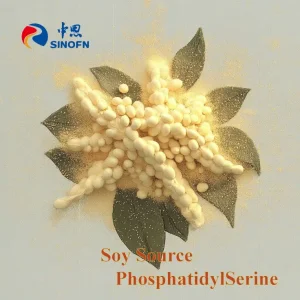
An analytical breakdown of biological raw materials, clinical supply constraints, and integration pathways within the Southeastern European markets.
As global supply chains shift toward high-purity, bioavailable raw materials, the Montenegro market has emerged as a strategic hub for advanced health formulations, pharmaceutical logistics, and wellness product integration. Positioned along the Adriatic Sea with direct access to European Union regulatory frameworks, Montenegro offers a unique geographical advantage for nutraceutical brands looking to expand their manufacturing footprints across the Balkan and wider European regions.
Montenegro's domestic nutraceutical industry is undergoing a transition driven by wellness tourism along the Adriatic Coast and a nationwide mandate to align with EU health regulations. Primary manufacturing hubs, distribution warehouses, and testing facilities are heavily concentrated in regions like Podgorica, Nikšić, and the Port of Bar. The Port of Bar acts as a critical entry gate for containerized shipping lines arriving from manufacturing strongholds like China. By utilizing local free-trade zones, manufacturers can easily transport raw materials into neighboring markets including Serbia, Bosnia & Herzegovina, Albania, and Croatia.
Rooted in scientific discovery, clinical research, and a strategic partnership with the Chinese Academy of Sciences (CAS).
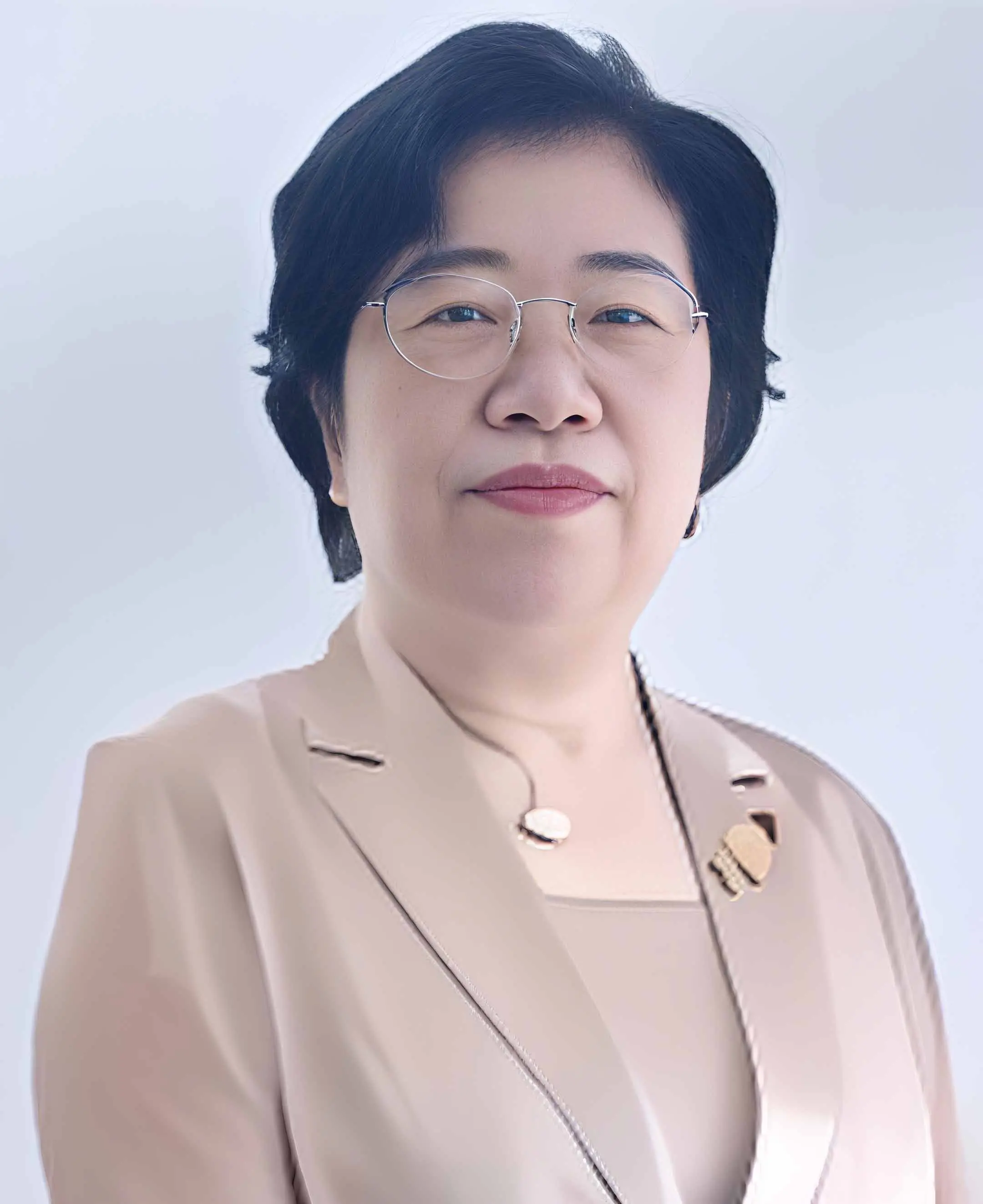
During her extensive clinical work, Mrs. Liu witnessed the lifelong physical and financial struggles of families dealing with Phenylketonuria (PKU) — a metabolic disorder requiring restrictive, high-cost diets. Driven by a mission to bridge this global accessibility gap, she founded SINOFN in 2012. Her dedication attracted elite scientists, paving the way for research and development partnerships with the Chinese Academy of Sciences to formulate affordable, medical-grade FSMP (Foods for Special Medical Purposes). Under her stewardship, SINOFN dedicates a share of international revenues directly to global PKU accessibility initiatives, cementing the company’s "Profit with Purpose" philosophy.

A graduate of the prestigious Peking University Medical School, Dr. Tan brings over 15 years of clinical and biochemical research into metabolic pathway formulations. He leads the development of SINOFN's strategic functional foods and bioactive compound extractions, focusing on clinical nutrition and cardiovascular metabolic health.

As a postdoctoral fellow and Associate Researcher at the Chinese Academy of Sciences (CAS), Dr. Zhang specializes in cellular delivery mechanics and lipid-based nanotechnology. Her team focuses on maximizing the bioavailability of unstable active compounds, including PQQ, NAD+ precursors (NMN), and herbal extracts.

Based in the Netherlands, Hans is a veteran formulation scientist with extensive experience navigating European Food Safety Authority (EFSA) registrations. He serves as the chief design architect for Special Dietary Foods and guides SINOFN’s regulatory compliance framework for custom European contract manufacturing.
Comparing production scales, quality control mechanisms, and logistical optimization between China-based factories and European markets.
Developing a robust product supply pipeline requires an understanding of both local application contexts and macro-logistical dynamics. For businesses operating within the Montenegro market, relying on localized botanical sourcing or European-only custom synthesis presents significant challenges. High production energy costs, seasonal instability of botanical crops, and limited large-scale fermentation capacities in Eastern Europe often result in product shortages and high wholesale prices.
This is where the manufacturing integration between Chinese production plants and European distribution networks becomes critical. China-based facilities leverage massive scale, sophisticated automation systems, and close supply links to raw botanical cultivation hubs. As a result, they offer reliable consistency and lower operational overheads.
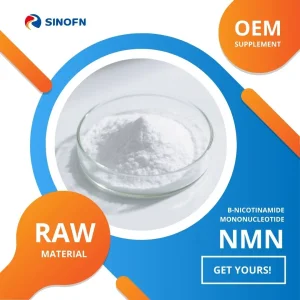
For advanced active substances like β-Nicotinamide Mononucleotide (NMN) or Phosphatidylserine (PS), production requires precise biochemical syntheses that are difficult to scale. SINOFN maintains a registered capital of over 350 Million RMB, supporting state-of-the-art facilities equipped with modern reactor lines, enzymatic conversion modules, and low-temperature freeze-drying setups. This infrastructure ensures consistency across batches, helping brands maintain stable consumer pricing even during global supply shifts.
Shipping to Montenegro and the wider Balkan region is optimized through two main transportation pathways:
To support this network, SINOFN utilizes blockchain-tracked batch monitoring. This gives European buyers real-time visibility into temperature-controlled storage, shipping conditions, and batch testing certificates from the point of origin to local destination warehouses.
Explore our production suites, testing laboratories, and integration layers designed to meet EFSA and international criteria.
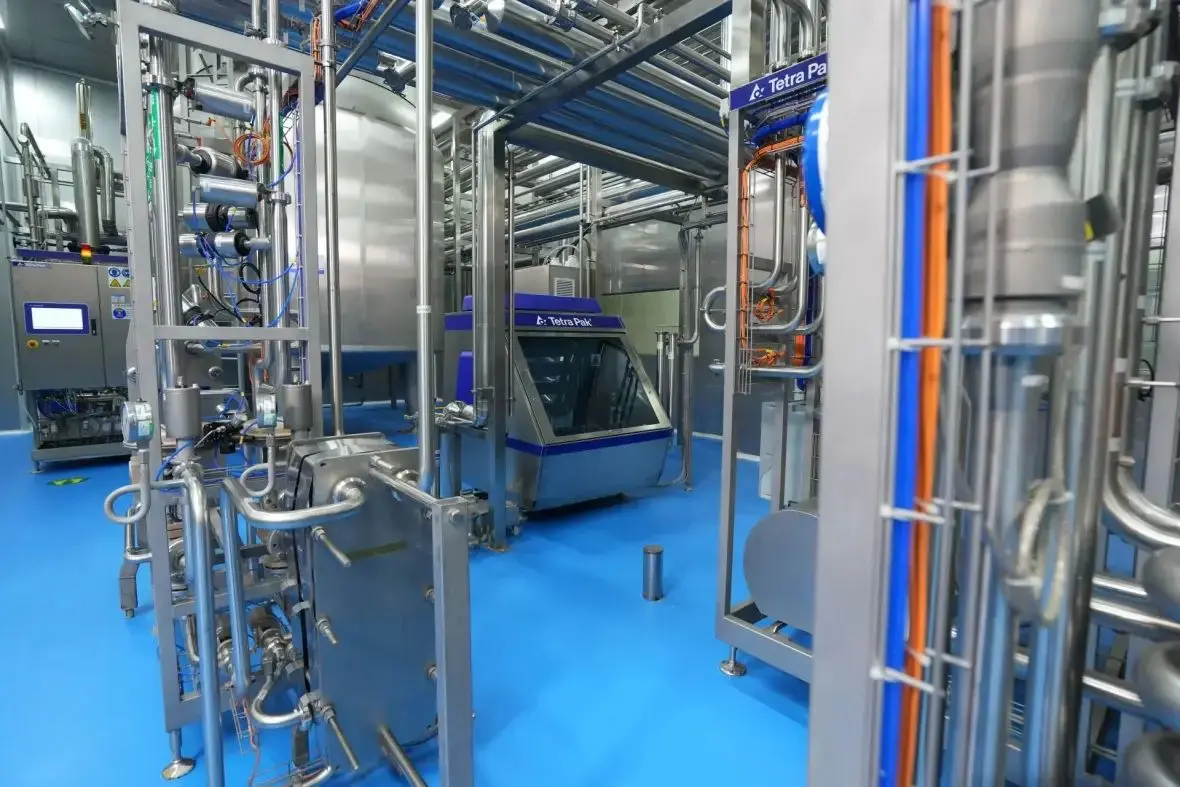
Over 10 dedicated manufacturing lines processing tablets, softgels, hard capsules, powders, and gummies. Annual capacity exceeds 500 million units, featuring ISO 22000, HACCP, and FSSC 22000 compliance.
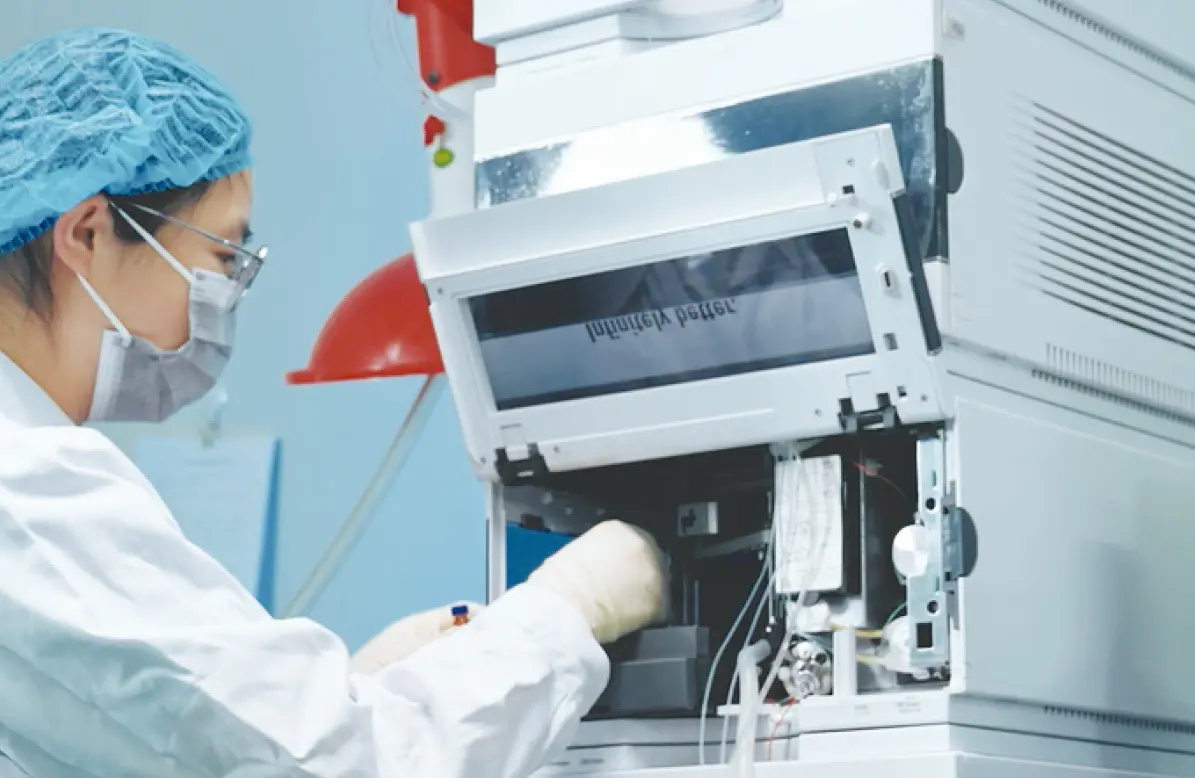
Equipped with HPLC, GC-MS, and ICP-MS systems for rigorous screening of heavy metals, pesticides, and residual solvents. Every batch undergoes stability, dissolution, and microbiological validation.
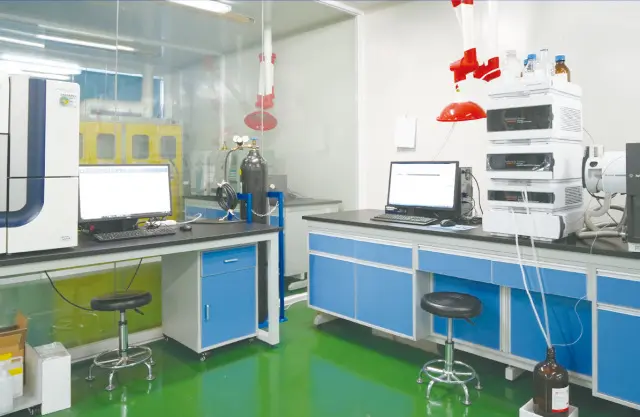
Dedicated environment for rapid formulation trials, organoleptic profile adjustments, and bioavailability optimization studies. Backed by CAS postdoctoral research teams.
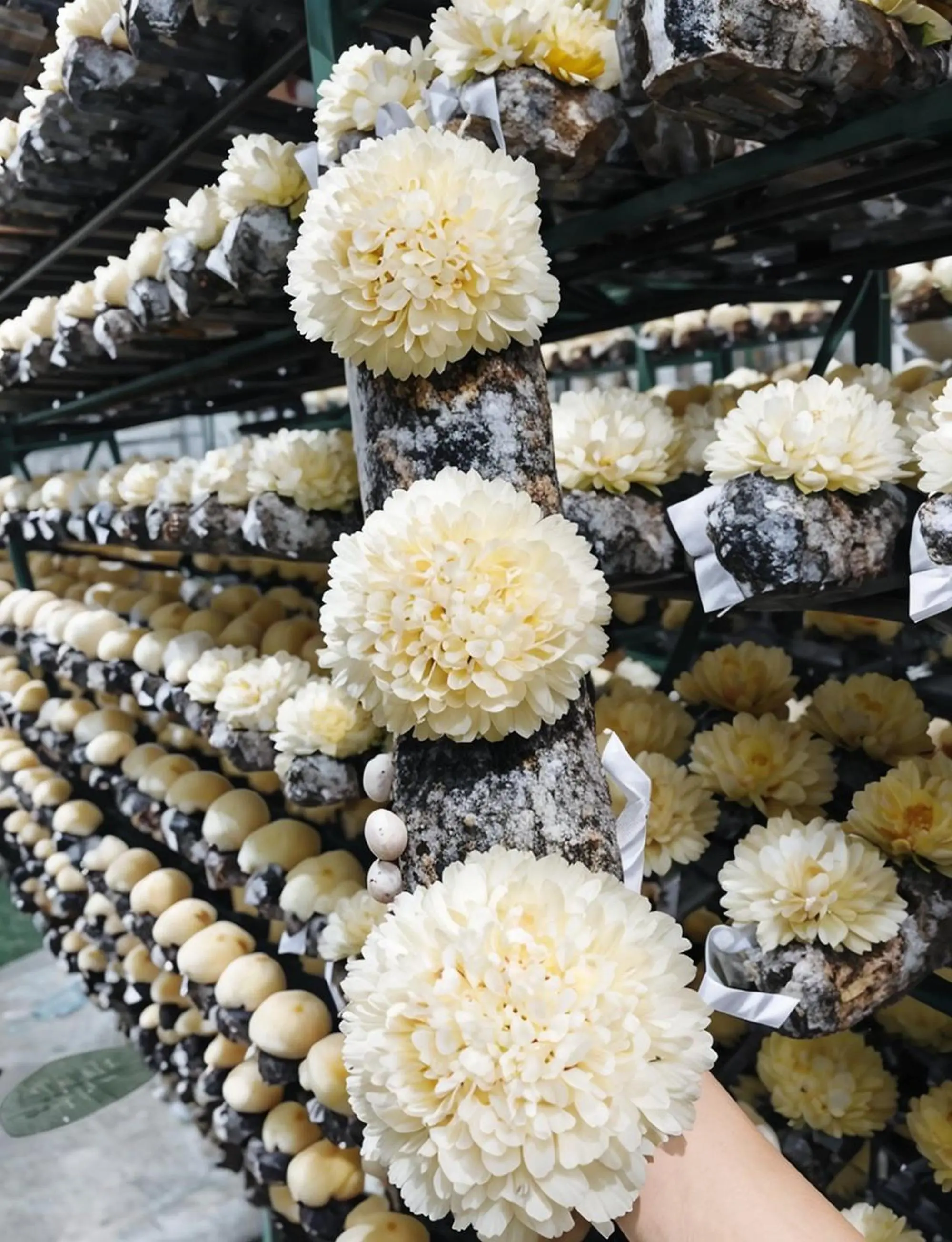
BRCGS-certified storage structures incorporating automated climate controls and RFID-enabled inventory systems to secure chemical efficacy during distribution preparation.
Advancements in delivery tech, metabolic engineering, and compliance alignment for the years 2025 to 2030.
As consumer awareness grows, basic dry botanical powders are increasingly replaced by standardized extracts and bio-identical synthetic derivatives. To help brands maintain a competitive advantage in Montenegro and neighboring EU countries, SINOFN's technical roadmap focuses on three main engineering areas:
Highly sensitive compounds, such as PQQ and Vitamin C, often degrade quickly in stomach acid, limiting their systemic absorption. Our current development pipeline focuses on lipid-bilayer micro-encapsulation. By coating these molecules in high-purity phosphatidylserine matrices, we protect the active ingredients through the digestive tract. This improves overall cellular absorption, allowing brands to offer lower-dose, higher-efficacy formulations.
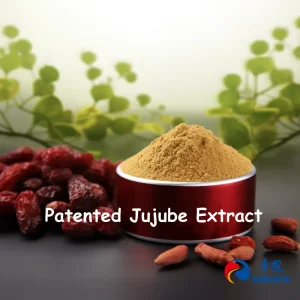
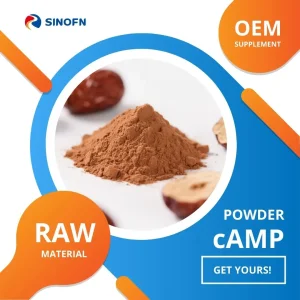
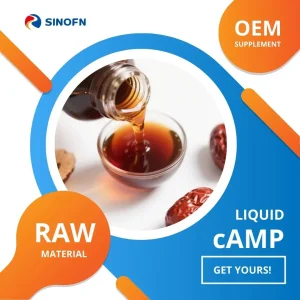
cAMP serves as a vital secondary messenger inside the human body, helping regulate energy pathways, lipid degradation, and metabolic responses. Traditional synthetic options often fail to meet strict clean-label regulatory standards. In response, Dr. Zhang Ying's team developed a clean extraction process that concentrates natural cAMP from jujube crops. This yields a highly bio-compatible powder ideal for clean-label sports nutrition and metabolic support formulations.
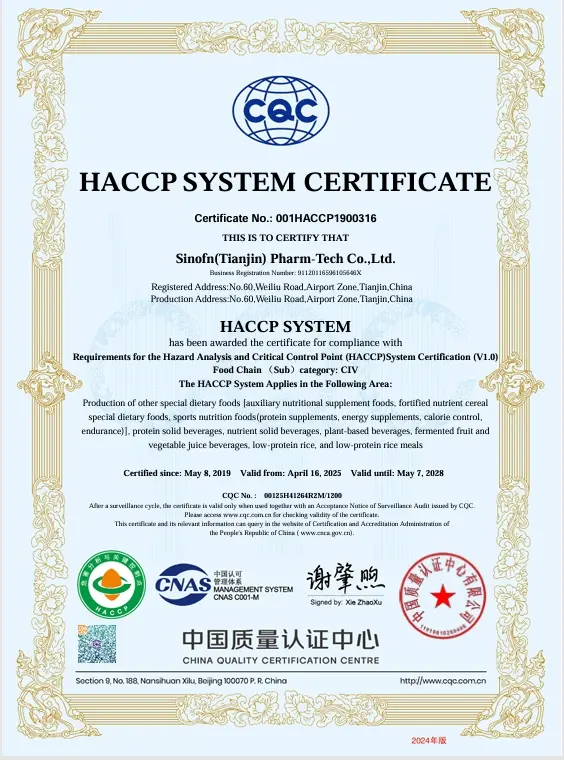
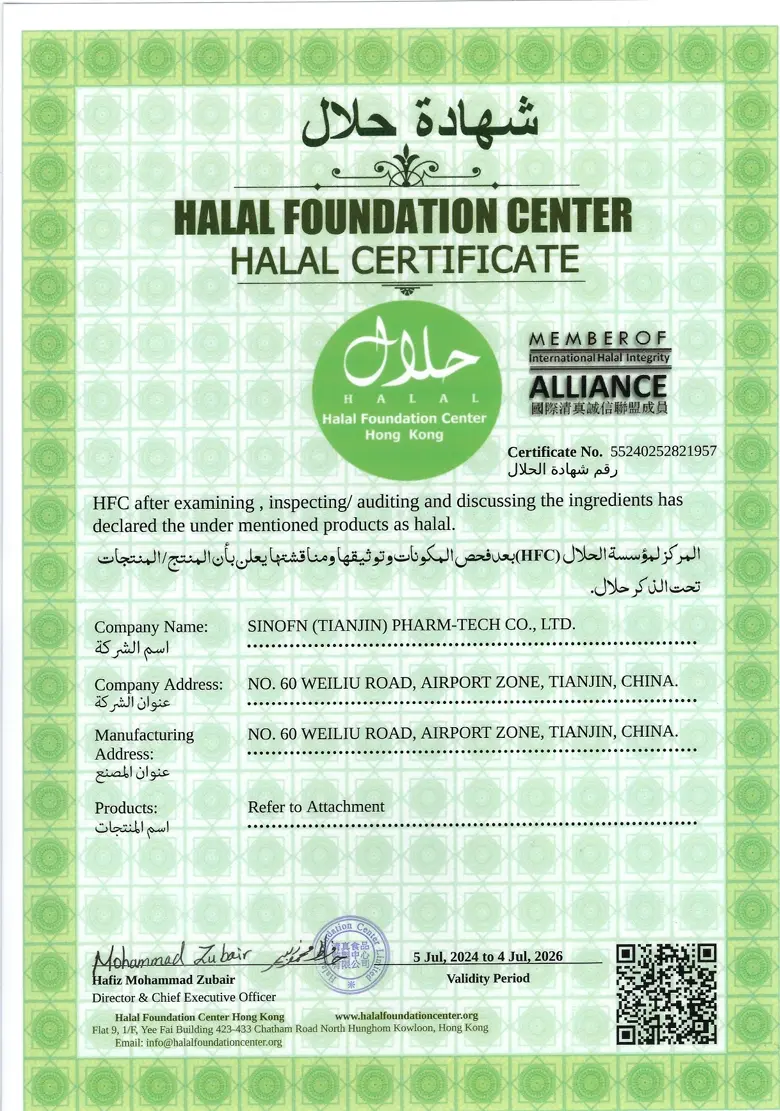
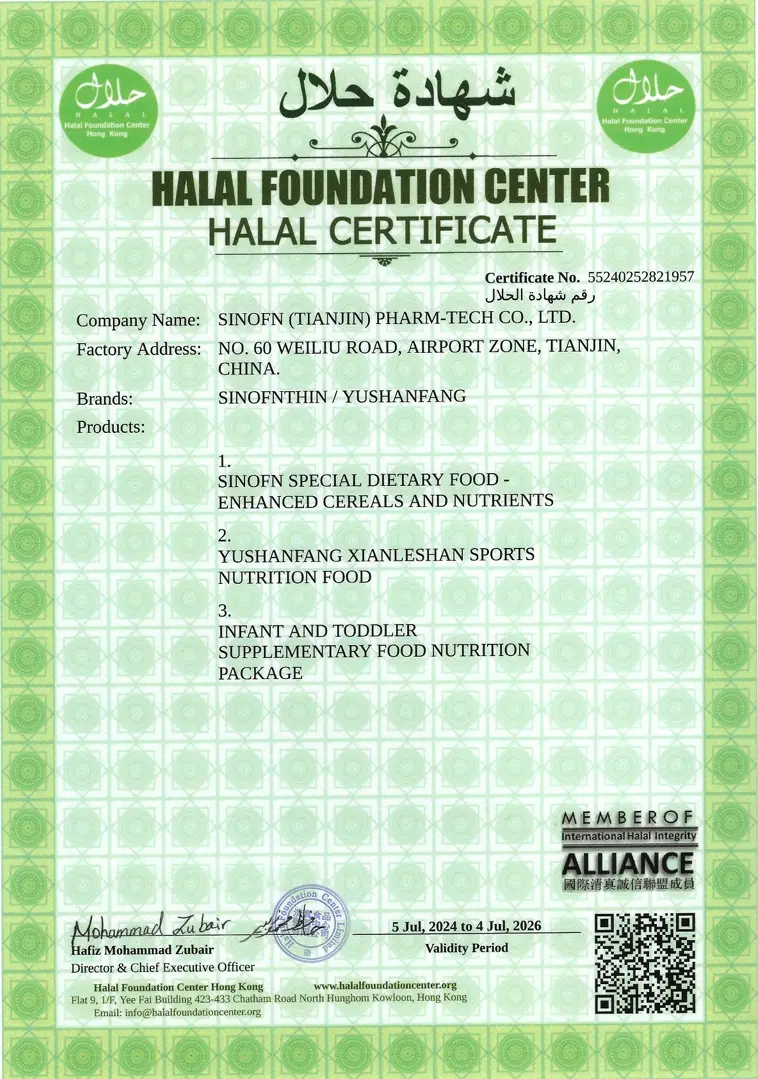
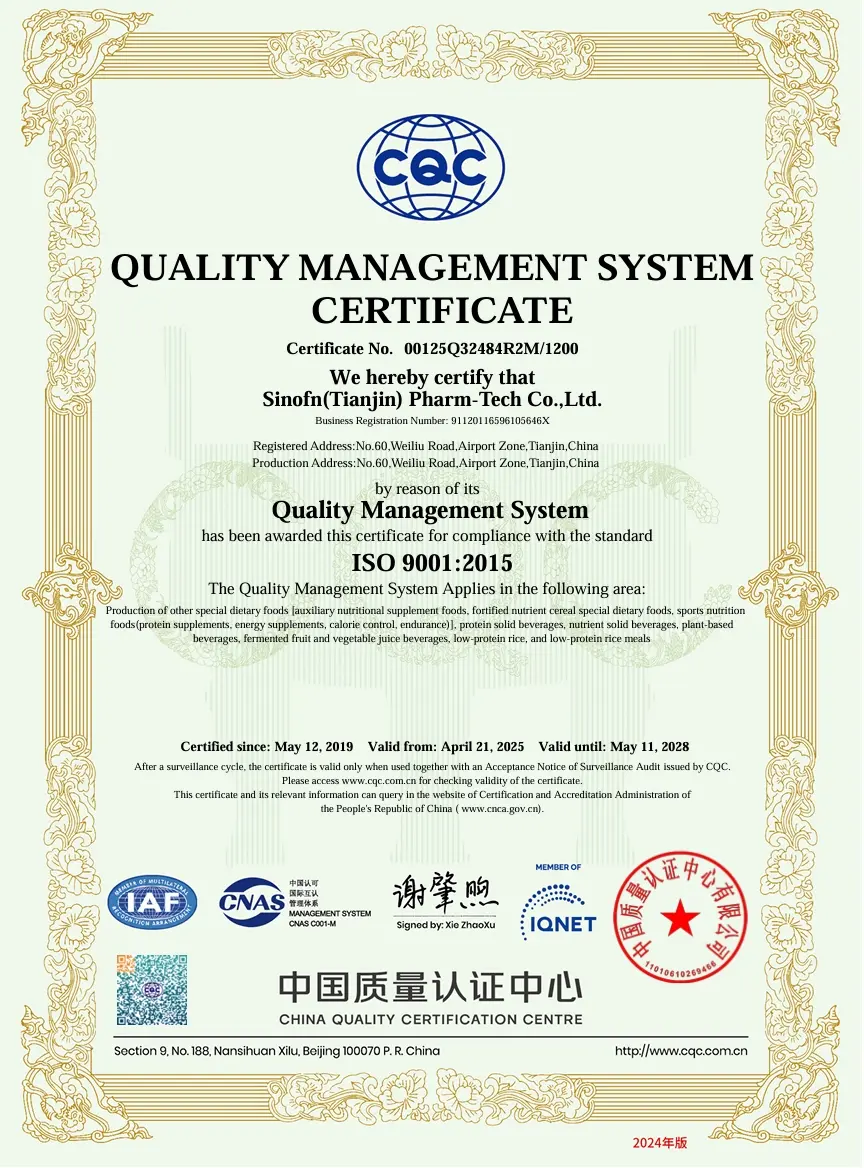
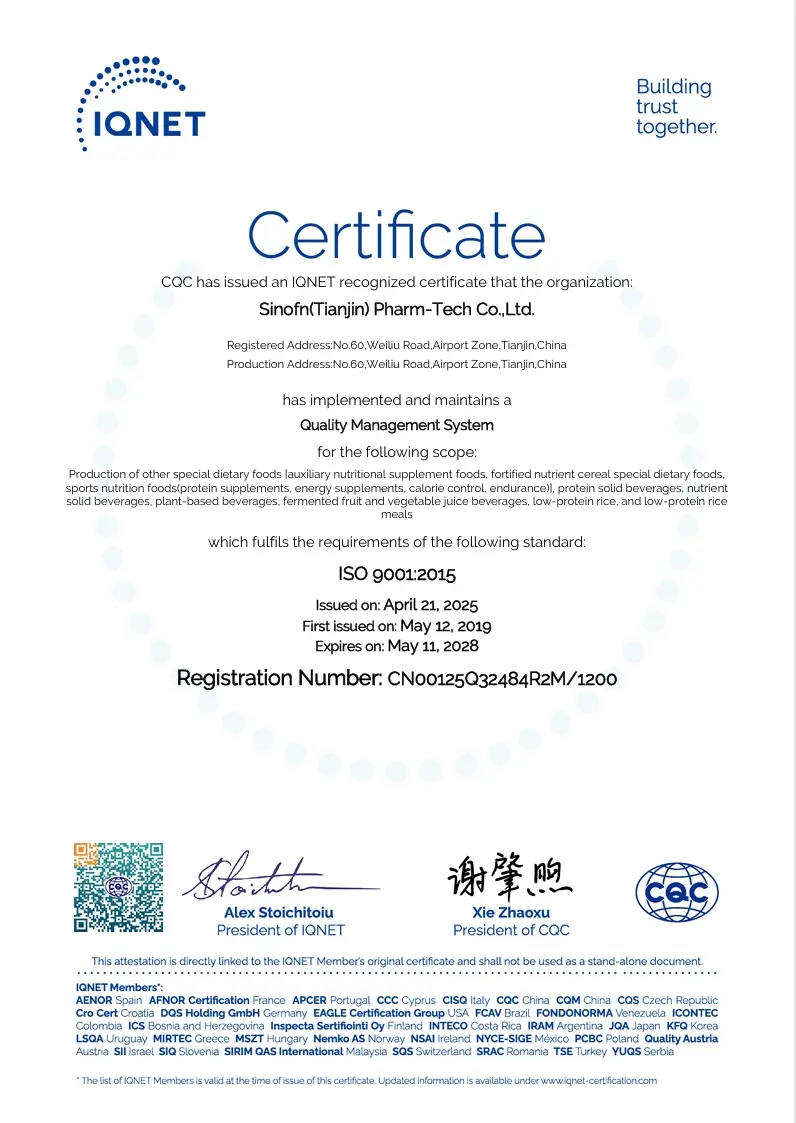
Entering the European and Balkan markets requires strict alignment with safety regulations. SINOFN maintains a comprehensive quality management system certified under ISO 9001, ISO 22000, HACCP, and HALAL. Our European R&D and regulatory teams, led by Hans van Dijk, oversee all compliance steps. This ensures that every formulation, capsule, and powder batch complies with European regulations, simplifying import procedures and customs clearance in Montenegro.
Premium active ingredients, NAD+ precursors, vitamins, and specialized delivery systems designed for scaling brands.
Our systems and products are certified by leading global compliance and quality safety organizations.
Detailed logistical, regulatory, and formulation answers for procurement managers and brands operating in Southeastern Europe.