 Sinofn Health
Sinofn Health
Sinofn Health
Explore our diverse therapeutic line, ranging from specialty PKU nutritional products to clinical-strength active delivery systems.
An in-depth analysis of the shift from animal gelatin to plant-based starch technologies, regulatory frameworks, and global supplier criteria.
For decades, animal-derived gelatin remained the undisputed baseline for softgel manufacturing. However, modern market trends highlight a fundamental transition. Driven by ethical, religious, and clean-label expectations, consumers globally demand plant-based options. Plant-derived softgels offer robust stability, meeting the needs of vegetarian, vegan, Halal, and Kosher consumers.
Vegetarian softgel technology has evolved far beyond early structural limitations. Initially, starch-based shells were prone to leaking and brittleness. Today's advanced formulations, utilizing high-quality tapioca starch and seaweed extract (carrageenan), provide structural integrity comparable to or exceeding standard bovine gelatin. Crucially, they eliminate risks of cross-linking—a major issue where active components like polyphenols render gelatin insoluble over time.
Bovine and porcine gelatin carry natural vulnerabilities. They have high moisture content, leading to degradation of moisture-sensitive ingredients. They are also prone to cross-linking when filled with specific aldehydes or acidic components. Additionally, they melt at lower storage temperatures, presenting shipping issues in tropical climates.
SINOFN’s custom starch-based softgels offer a thermal stability threshold up to 50°C, significantly reducing deformation and leakage during global shipping. The non-animal shell does not cross-link, ensuring a reliable dissolution profile and consistent bio-absorption over a three-year shelf life. This makes it ideal for high-value compounds like NMN, Coenzyme Q10, and clinical-grade oil suspensions.
Science-Driven OEM/ODM Solutions for International Supplement Brands
SINOFN Health Co., Ltd. operates as the premier supplement contract manufacturing division of the SINOFN Group—a national high-tech enterprise established in 2012 in strategic partnership with the Chinese Academy of Sciences (CAS). Officially structured in 2025, our corporate hub in Shanghai manages supply chains and clinical formulation services for global distribution partners.
We bridge the gap between advanced biochemical research and market-ready products. Utilizing state-of-the-art encapsulation systems, we specialize in high-efficiency delivery mechanisms for complex lipid formulations, dry suspension powders, and custom plant-based capsules. Our operations focus on rigorous quality control, regulatory compliance, and documented scientific backing.

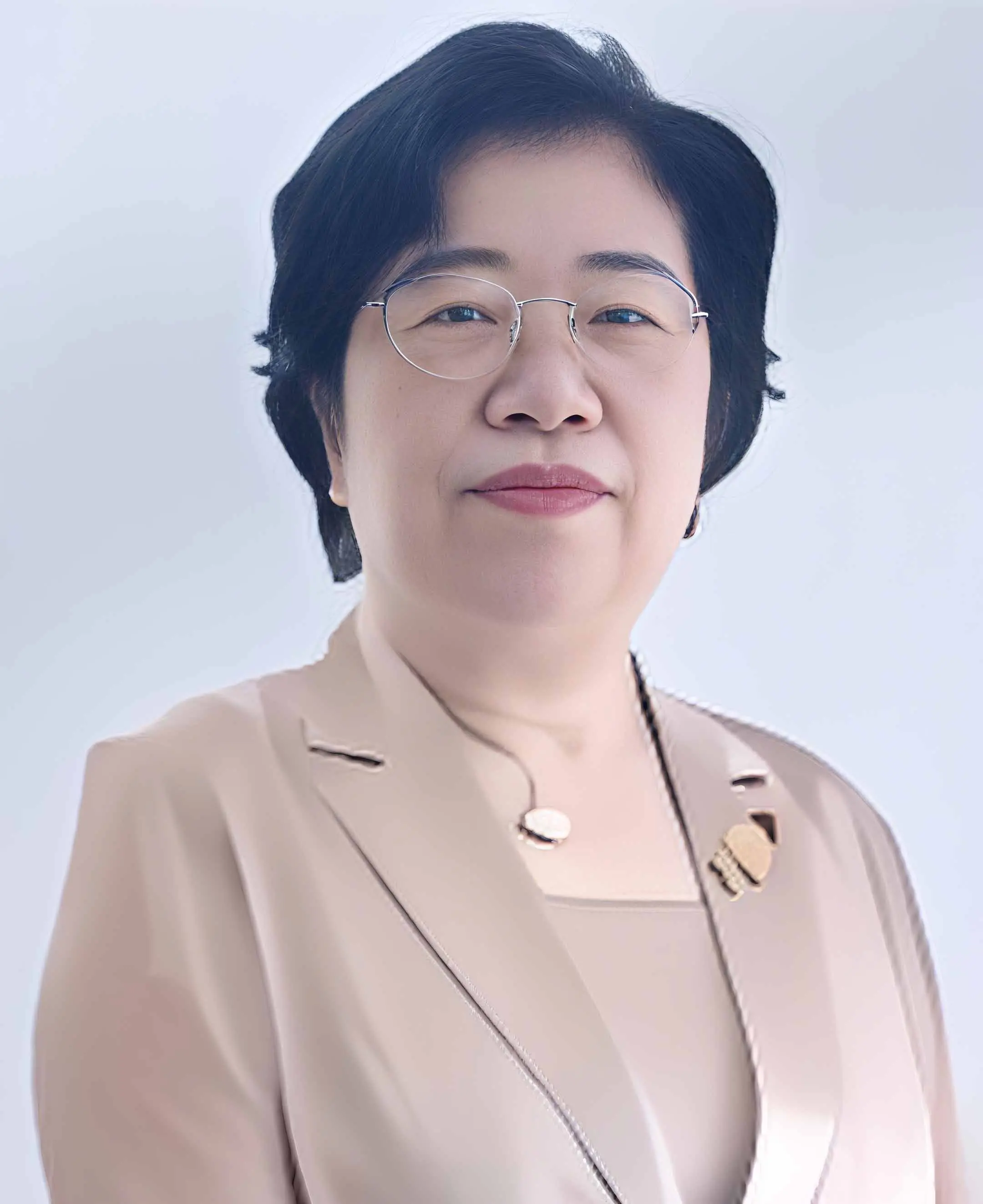
During her early clinical practice, Mrs. GuoHong Liu observed the lifelong challenges of children diagnosed with Phenylketonuria (PKU), where essential, specialized dietary products were financially out of reach for many families. Driven by a mission to address this challenge, she established SINOFN in 2012 to develop affordable, science-backed nutritional formulations.
Her commitment attracted strategic investors and institutional researchers, driving the brand's expansion from local PKU products to high-tier Foods for Special Medical Purposes (FSMP) and advanced nutracuetical softgels worldwide. Today, a portion of SINOFN's revenues directly funds accessibility initiatives for PKU families, keeping social responsibility central to our corporate mission.
Led by senior scientists from the Chinese Academy of Sciences and Peking University Medical School, our team focuses on bioactive compound stability and bioavailability.

Medical Innovation Director
Ph.D. from Peking University Medical School. Over 15 years specializing in formulations for metabolic disorders and bio-active stabilization processes.

R&D Lead
Associate Researcher & Postdoctoral Fellow at the Chinese Academy of Sciences (CAS). Specialist in target delivery mechanisms for bioactive compounds.

Formulation Director
Senior Scientist (Netherlands). Expert in European food safety regulations, clinical nutrition formulations, and non-animal softgel shell technology.
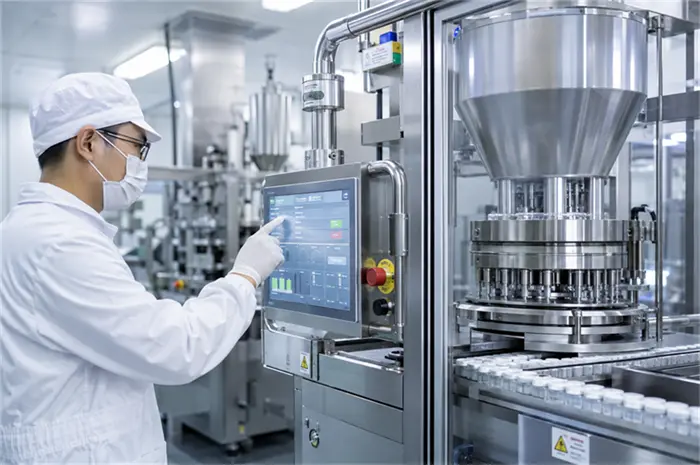
A look inside our certified Chinese production plant, featuring automated encapsulation lines and complete batch traceability.
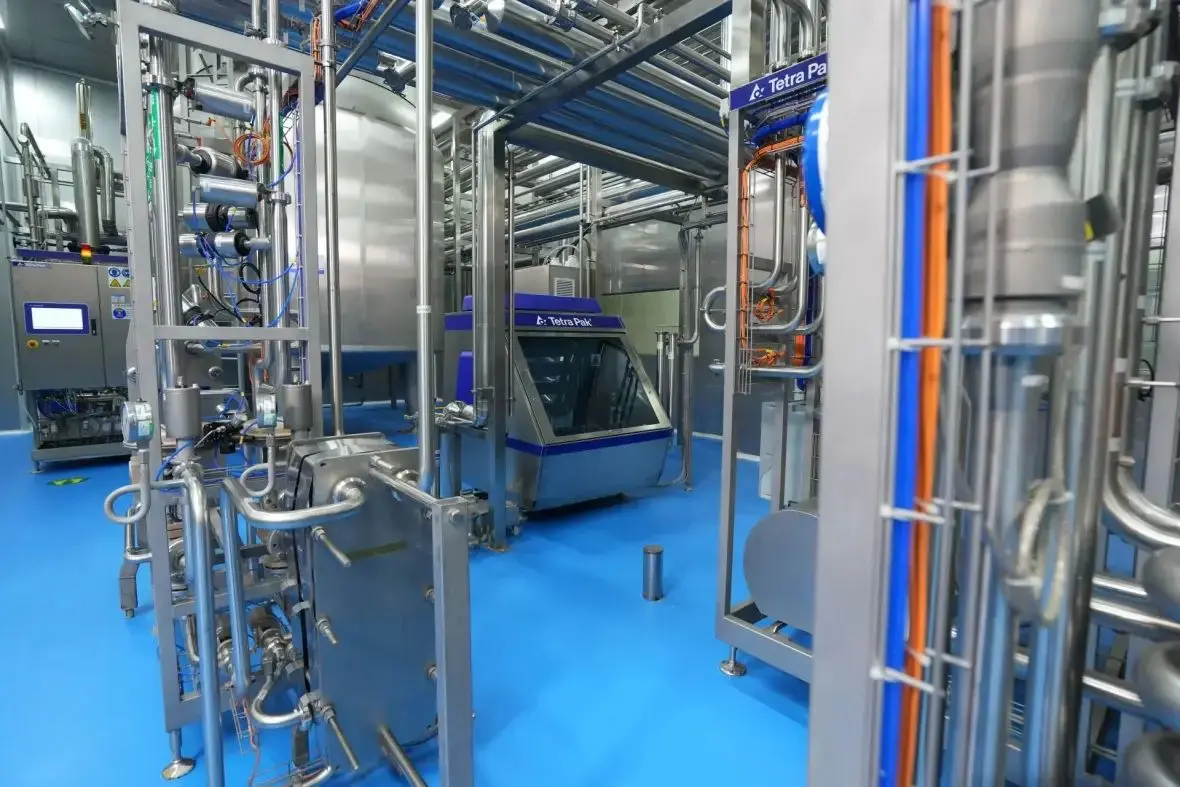
10+ specialized production lines for softgels, gummies, and powders. Annual capacity exceeds 500 million units.
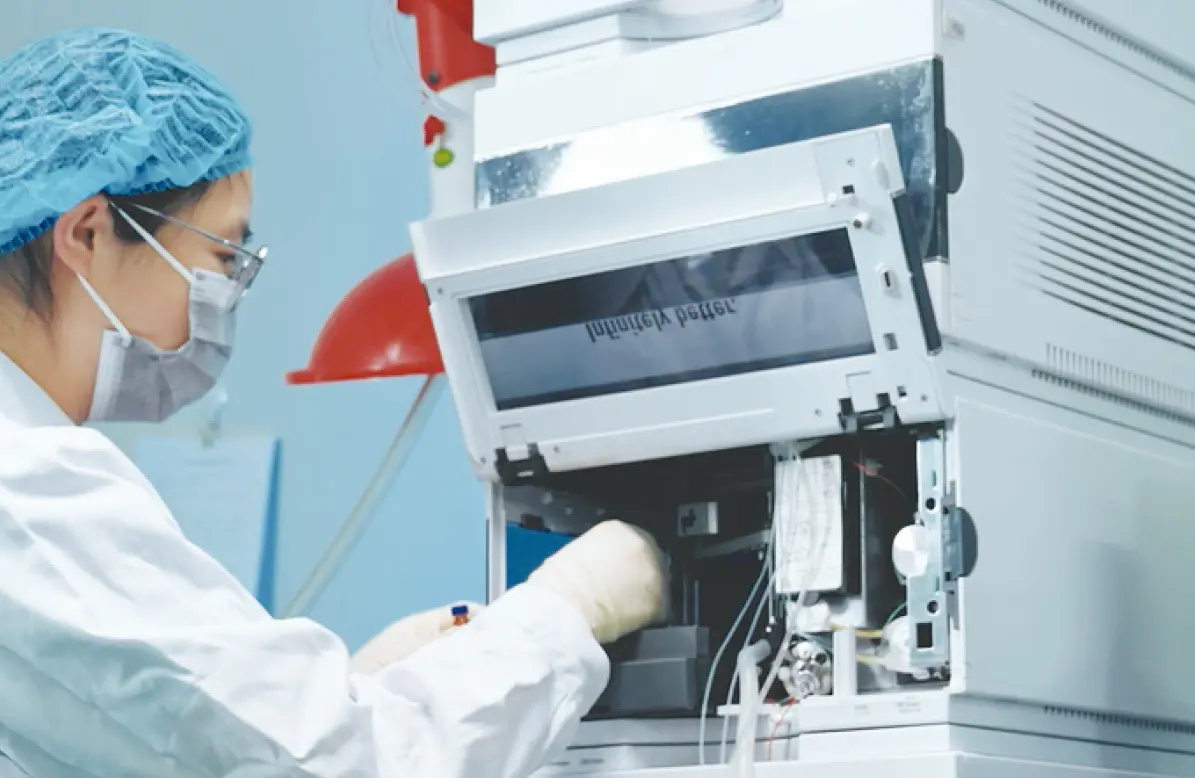
Equipped with HPLC and GC-MS instrumentation for contaminant screening, stability verification, and active assay testing.
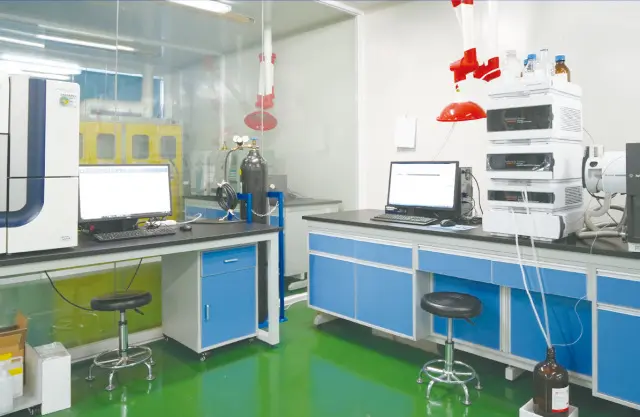
Pilot-scale development facilities for quick formulation prototyping, bioavailability optimization, and stability profiling.
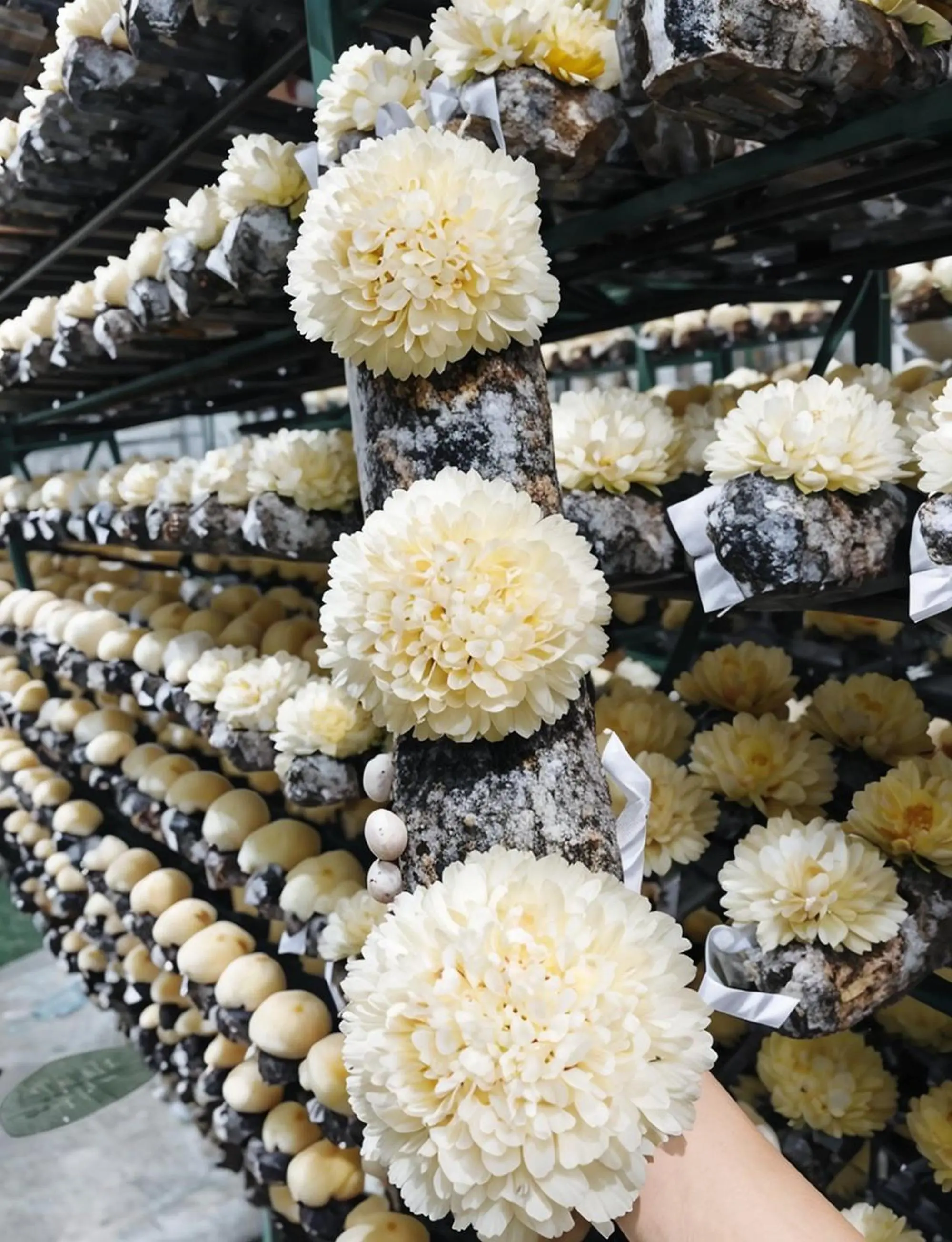
End-to-end supply chain integration with digital blockchain batch tracking and climate-controlled warehousing.
An analysis of raw material security, vertical integration, and cost-to-performance optimization for international procurers.
The primary ingredients in modern vegetarian softgel shells are high-amylose plant starches (derived from tapioca, corn, or potato) paired with gel-forming seaweed extracts (carrageenan). China possesses one of the world's most stable industrial processing networks for these plant-based raw materials. This ensures a consistent supply chain unaffected by agricultural or geopolitical disruptions.
By leveraging close supplier integrations, SINOFN secures priority allocations of non-GMO tapioca starches and purified carrageenan. This vertical raw material integration allows us to keep material costs predictable while maintaining stable viscosity parameters. This stability translates directly to consistent encapsulation results across large production batches.
Unlike Western facilities face high labor costs and equipment bottlenecks, SINOFN utilizes automated continuous gelatinization systems. These systems maintain exact temperatures for starch slurry hydration under high pressure, preventing issues like air bubbles and shell weakness.
This automated approach reduces direct human handling, lowering biological contamination risks. Our Shanghai export hub also facilitates rapid container logistics, reducing transit times to North America, Europe, and the APAC region. This efficiency allows us to deliver high-quality, plant-based softgels at highly competitive price points.
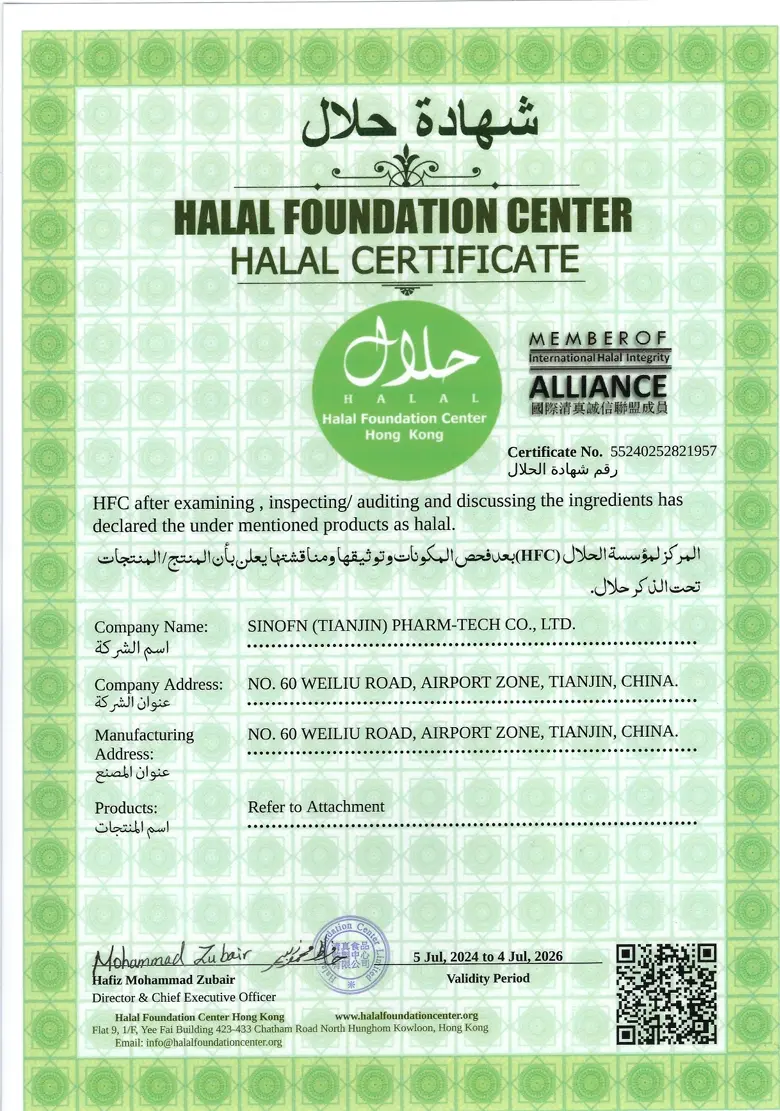
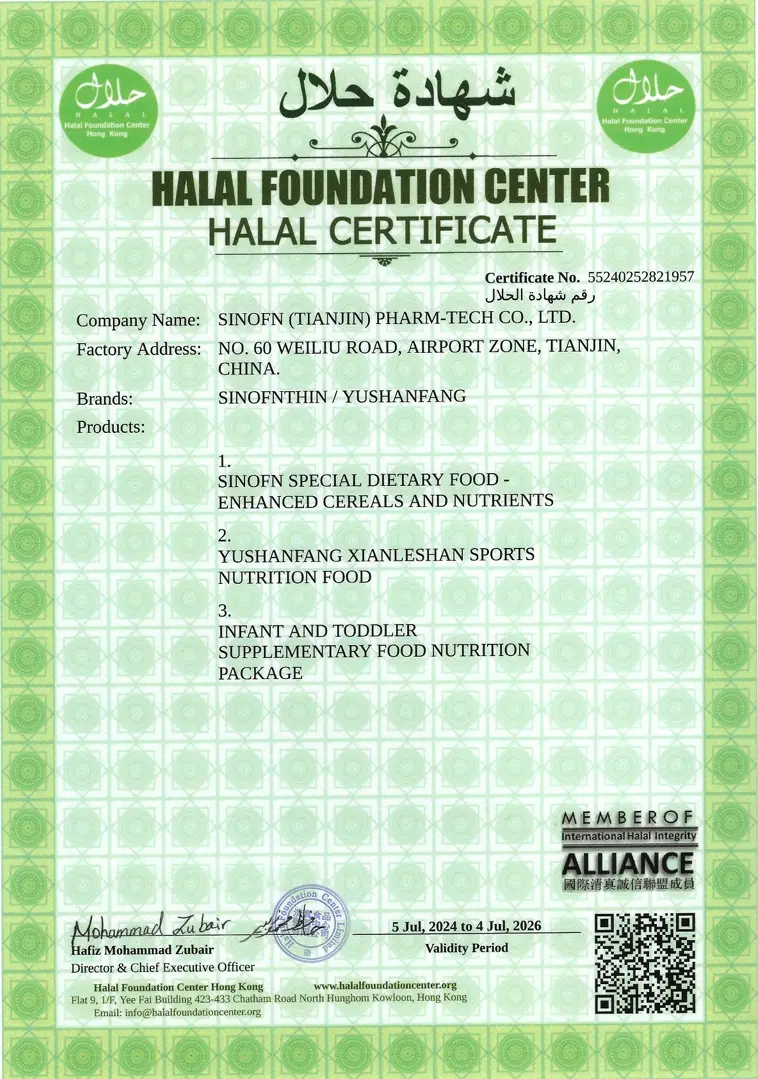
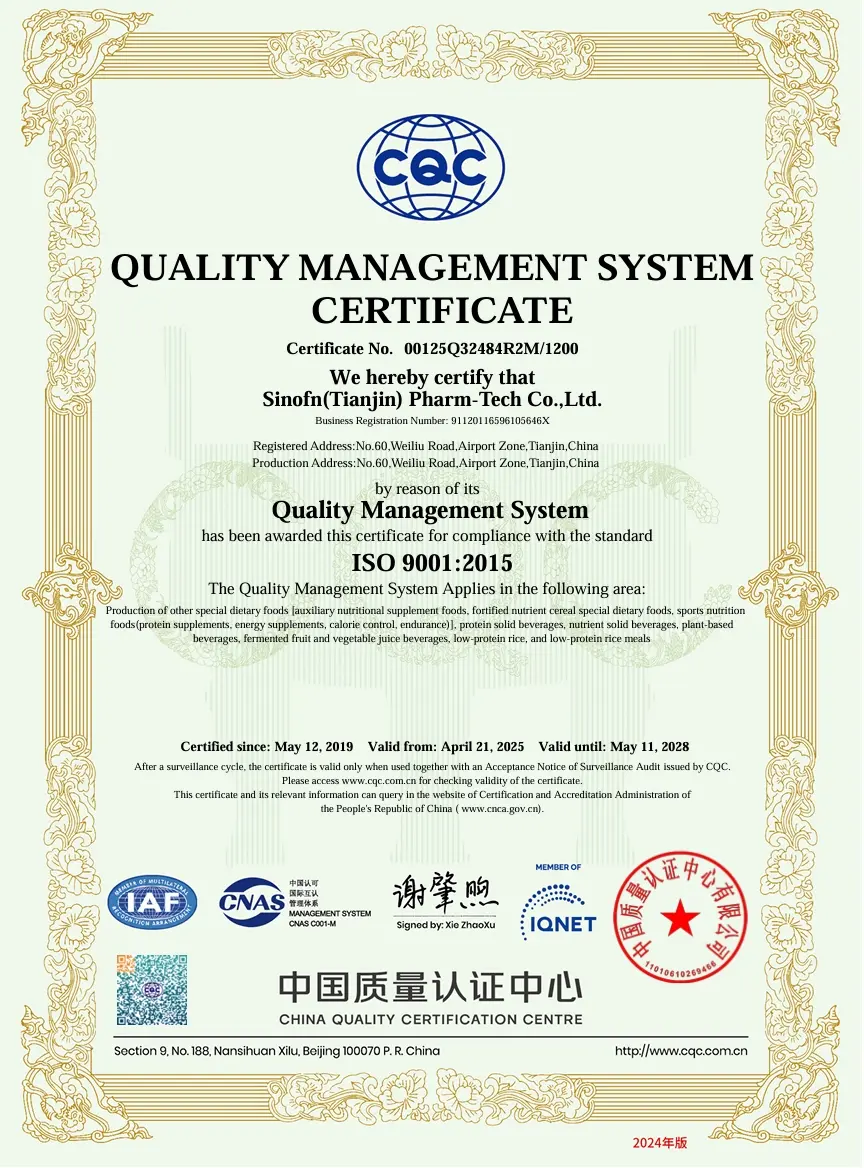
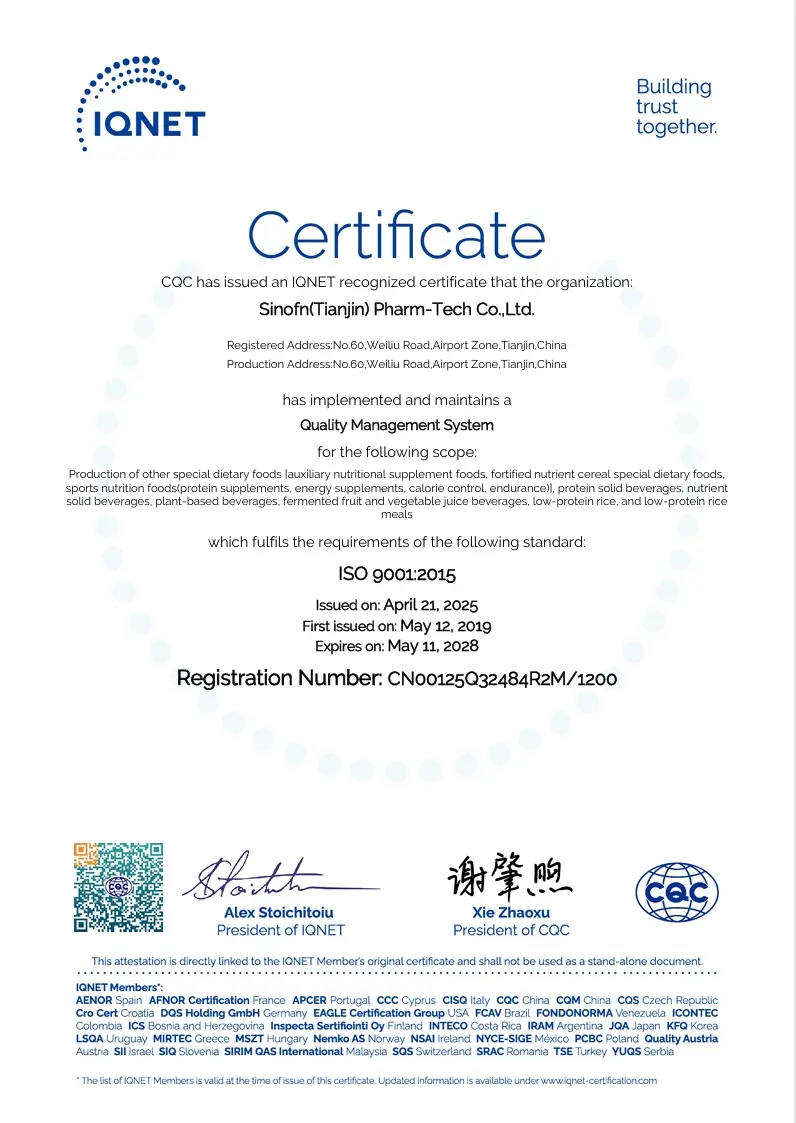
SINOFN prioritizes intellectual property, holding 36 patents (11 invention, 12 utility model, 11 software copyrights, 2 design) and 71 multi-category trademarks. We maintain strict compliance with global food safety certifications.
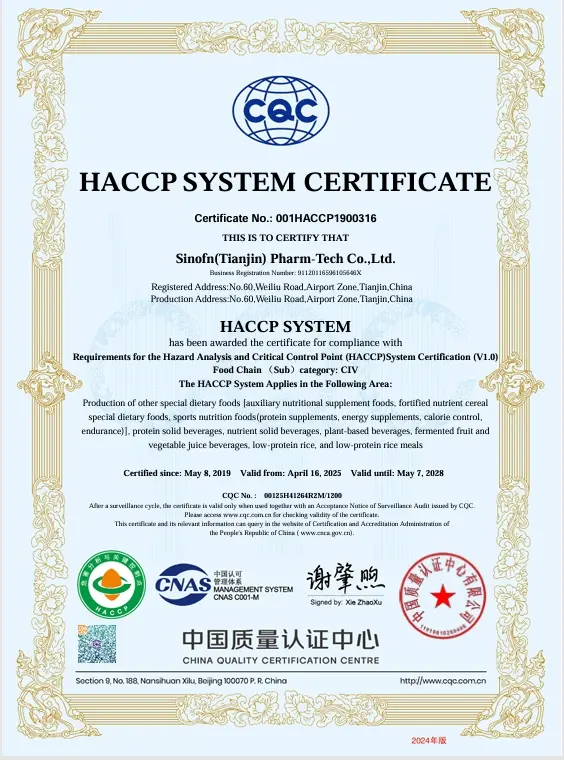
Detailed answers regarding technical specs, stability parameters, MOQs, and customized R&D capability.
Explore our technical formulas, functional beverages, and clinical food options for specialized nutritional needs.