 Sinofn Health
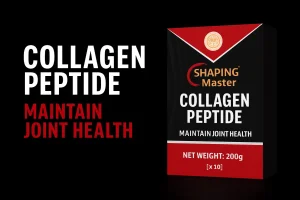
Whey vs. Plant-Based Proteins: The Manufacturing Paradigm Shift
In the evolving landscape of global sports nutrition and dietary supplements, the dichotomy between Whey Protein and Plant-Based Protein represents more than just a consumer choice; it is a complex manufacturing challenge. As a specialized OEM manufacturer, SINOFN bridges the gap between raw biological science and commercial application.
1. The Bioavailability & Amino Acid Profile Debate
Whey protein remains the "gold standard" for anabolic response due to its high Leucine content and rapid absorption rates. However, modern plant-based protein manufacturing has achieved significant milestones in mimicking these profiles. By leveraging enzymatic hydrolysis and micro-encapsulation, we optimize the digestibility of pea, rice, and hemp blends to reach parity with dairy derivatives. The critical differentiator is the **Information Gain** provided by our formulation lab: we don't just blend proteins; we structure amino acid delivery systems that respect metabolic transit times.
2. China's Supply Chain Resilience: The SINOFN Advantage
Global instability has highlighted the need for robust supply chains. China's manufacturing infrastructure for nutraceuticals offers unparalleled efficiency. At SINOFN, our integration with the Chinese Academy of Sciences (CAS) ensures that our raw material sourcing—from whey isolates to botanical extracts—undergoes rigorous screening. This is not just about cost; it is about Vertical Integration. We control the process from raw peptide extraction to final powder formulation, ensuring consistency that fragmented global supply chains cannot match.
3. Technology Roadmap & Future Outlook
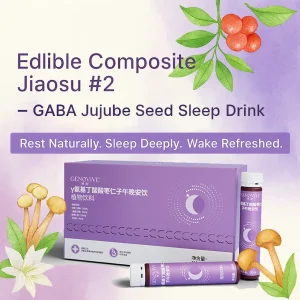
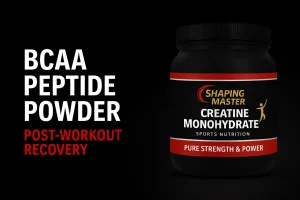
The future of protein manufacturing lies in Precision Fermentation and Personalized Nutrition. Our 2025 roadmap involves moving beyond standard powder formulations toward functional, single-dose delivery systems, such as our BCAA peptides and GABA-infused sleep aids. We are investing in real-time shelf-life stability monitoring and AI-driven predictive modeling for ingredient shelf-stability, ensuring our partners receive products that are optimized for global distribution and retail environments.
4. Localized Application & Compliance
Regulatory compliance is the cornerstone of trust. Whether you are targeting the FDA-regulated US market, the EU's EFSA standards, or the growing Asian wellness sector, SINOFN provides full regulatory support. Our facilities are FSSC 22000, ISO 22000, and HACCP certified. We navigate the complexities of local health claims, labeling requirements, and ingredient safety documentation, allowing our clients to enter new markets with confidence and speed.